
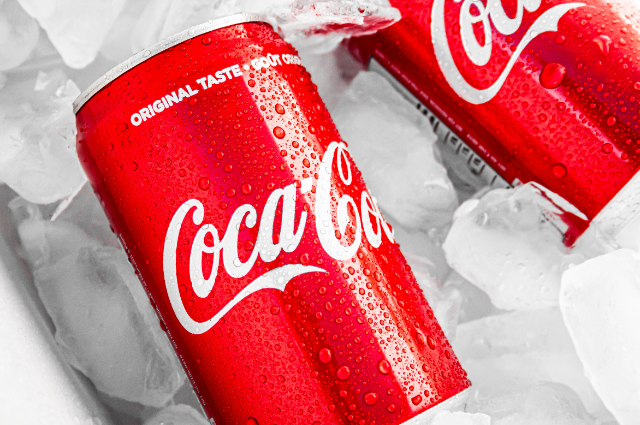
For decades, the physical real estate on a beverage can and has remained largely unchanged, with a bold logo on the front, and a dense, fine-print block of Nutrition Facts and ingredients on the back. However, a major structural shift is taking place across the United States beverage market. The world’s largest soft drink and energy beverage corporations, including The Coca-Cola Company, PepsiCo, Red Bull, and Keurig Dr Pepper have united under a sweeping packaging initiative.
Spearheaded by the American Beverage Association (ABA), this collective movement will see brands integrate scannable QR codes onto billions of aluminum cans and plastic bottles. The digital bridges are designed to give consumers instant access to comprehensive data explaining exactly what they are consuming. As trust in traditional corporate messaging wavers and health literacy hits an all-time high, this push toward digital transparency represents a fundamental modernization of fast-moving consumer goods (FMCG) packaging.
The Mechanism: Deconstructing "Good to Know Facts"
At the heart of this industry-wide initiative is a central digital repository, which is GoodToKnowFacts.org. When a shopper scans the QR code on a participating beverage container, they are not directed to a marketing page or a promotional sweepstakes. Instead, the code links directly to a standardised, non-branded informational landing page hosted by the ABA.
The digital tool indexes details on more than 140 ingredients frequently utilized across the commercial drink sector. Rather than merely listing complex chemical names, the platform aims to demystify product formulas by answering three vital consumer questions:
- What is its function? The site explicitly states why a particular ingredient is necessary. For example, it explains whether a substance serves as a stabilizer to prevent separation, an acidulant to provide tartness, or a preservative to ensure shelf life.
- Where else is it used? To normalize unfamiliar chemical nomenclature, the platform contextualizes ingredients by listing other common, everyday applications. If an additive sounds intimidating, seeing that it is naturally occurring in fruits or commonly used in home baking helps lower consumer anxiety.
- Is it safe? Crucially, the platform compiles independent safety assessments and regulatory clearance histories from preeminent global governing bodies. Users can review certifications from the United States Food and Drug Administration (FDA), Health Canada, and the European Food Safety Authority (EFSA).
The Separation of Definition and Formula; while this database provides rigorous clarity regarding what individual ingredients are, it does not reveal proprietary corporate recipes. The QR code links to a macro-level glossary of ingredients rather than a specific, product-by-product breakdown. To understand the exact combination inside a specific bottle, consumers must still reference the physical list printed on the packaging.
Implementation Milestones and Industry Deadlines
A market-wide transition of this scale requires massive supply-chain retooling. Beverage corporations operate high-speed printing and packaging facilities where altering label designs incurs substantial technical coordination. Consequently, the ABA has outlined a staggered, multi-year rollout schedule extending through the late 2020s.
- PepsiCo: Positioned at the forefront of the campaign, PepsiCo has already successfully integrated the QR code framework into its existing production lines, with scannable packaging steadily populating retail shelves.
- The Coca-Cola Company: The Atlanta-based beverage titan is actively transitioning its extensive portfolio of sodas, teas, and waters, with an internal deadline to achieve full integration across all US packaging by late June 2026.
- Keurig Dr Pepper & Red Bull: Both entities are actively synchronizing their manufacturing lines to introduce the specialized labels throughout the final quarters of 2026.
- The Industry Mandate: The American Beverage Association has established a strict target for full industry-wide adoption, expecting total market implementation across all member brand portfolios to be finalized by December 2027.
The Modern Consumer and the Rise of the "Scanner Economy"
The decision by multi-billion-dollar corporations to voluntarily implement digital ingredient disclosure is driven by shifting consumer habits. Today's shoppers are increasingly skeptical of front-of-pack marketing claims like "natural" or "wellness-focused." Instead, they are taking product evaluation into their own hands via smartphones.
Data from global consulting firm EY highlights this behavioral evolution, noting that 60% of modern consumers actively evaluate ingredient profiles before finalizing a food or beverage purchase. This scrutiny has fueled the explosive growth of independent third-party nutrition applications such as Yuka, Zoe, and Bobby Approved.
Market tracking metrics from research firm NIQ reveal the profound scale of this shift:
- App Adoption: Approximately 25% of all American shoppers regularly use phone cameras to scan food products via health-tech applications.
- Trust Equivalence: 63% of app users trust independent digital scanning platforms just as much as or more than the nutritional data provided on physical corporate packaging.
- The Clean Label Drive: Over 50% of surveyed shoppers express an active preference for products featuring shorter, recognizable ingredient lists.
By building their own authenticated database, major beverage brands are attempting to reclaim the narrative. Rather than leaving ingredient interpretation to third-party application algorithms, which often flag safe, regulatory-approved additives with alarming red warnings, the corporations are providing an immediate, scientifically vetted reference point right at the shelf.
This initiative also aligns with escalating domestic public health guidance. The US Department of Health and Human Services (HHS) has placed a heavier emphasis on public nutritional literacy, focusing closely on reducing hidden sugar consumption and encouraging dietary awareness. Providing a seamless digital path to ingredient education directly supports these national health tracking priorities.
Global Repercussions: Will Markets Like India Follow Suit?
While the initial mandatory push for the "Good to Know Facts" campaign is centered entirely within the United States, an international ripple effect is virtually inevitable. Global FMCG conglomerates prefer to streamline their supply chains, and technological infrastructure proven in Western markets often shifts to emerging economies.
In India, the consumer landscape is ripe for an identical digital transformation. The Food Safety and Standards Authority of India (FSSAI) has been progressively tightening its grip on corporate food labeling. With long-standing debates surrounding Front-of-Pack Labeling (FOPL) systems and the potential introduction of color-coded star ratings for processed foods, Indian regulators are demanding absolute clarity from food manufacturers.
As Indian consumers become highly attuned to fitness, dietary health, and the dangers of excessive sugar or artificial additives, the demand for transparency mirrors what is playing out in the West. If Coca-Cola, PepsiCo, and Red Bull successfully normalize scannable QR labeling in the United States, it will provide an immediate operational blueprint for regional bodies like the FSSAI.
By leveraging digital solutions, companies can bypass the physical space constraints of small labels, allowing them to deliver localized, multi-lingual ingredient education to millions of consumers across diverse regional markets. Ultimately, the commercial beverage landscape is moving into an era where hidden formulas are no longer viable. The future of consumer loyalty belongs to the brands willing to turn their packaging into open books, proving that what is good for business must start with what is clear to the consumer.
. . .
References: