
Image by kirill_makes_pics from Pixabay
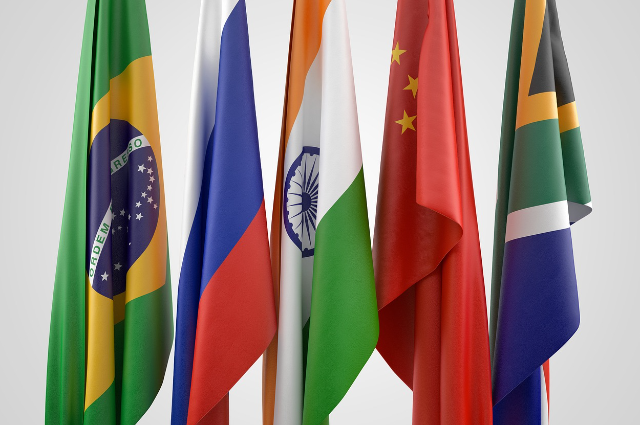
For months now, headlines have been saying the same thing, BRICS wants to replace the US dollar. A single currency, shared by all member nations, ready to take on the most powerful money in the world. It sounds dramatic, but it also turns out to be mostly wrong.
What BRICS is actually doing is quieter, less flashy, and in many ways more important. The bloc is not trying to create one new currency. It is building a system where a digital payment network lets countries trade with each other using their own existing currencies, without needing to go through the dollar or through the Western-led banking system called SWIFT, and India is right at the centre of it.
So what exactly is this system?
Think of it this way. Right now, when two countries want to trade, most of the time they have to convert their money into US dollars first, move it through a global banking network called SWIFT, and then convert it back into the other country's currency on the other end. It is slow, it costs money, and it means that almost every major trade in the world passes through one country's financial system.
The BRICS proposal is to skip that middle step. Instead, countries would pay each other directly using their own digital currencies, India's digital rupee, China's digital yuan, Russia's digital ruble, linked together through a shared system. Each country keeps full control over its own money. What changes is the road that connects them.
This is not a fantasy. India already has a working example at home. Its digital payments system, called UPI, is already linked with the UAE's payment platform. People in India can send money to the UAE quickly and cheaply, without involving dollars at all. BRICS wants to take that same idea and scale it up across the entire bloc.
Why is India leading this?
India has stepped into the driver's seat for a very practical reason. It has already learned, sometimes the hard way, why this kind of system matters. A few years back, India and Russia tried to settle their trade directly using rupees. The problem was that Russia ended up holding large piles of rupees it could not easily spend anywhere else. The money was stuck. This situation, sometimes called the "rupee trap," showed exactly what goes wrong when you only have a two-way connection between two countries. You need a network, not just a link between two points.
India's central bank, the Reserve Bank of India, has been very clear about what it is and is not trying to do. The digital rupee is not a cryptocurrency. It is simply a digital version of regular cash, backed by the government and joining this BRICS system does not mean India is giving up control over its own money. It means India is making its money easier to use when trading with other BRICS countries.
How Would Payments Actually Work?
The system relies on two simple ideas that, once you understand them, make a lot of sense. The first is called settlement cycles. Instead of settling every single transaction the moment it happens, which will require countries to constantly move huge amounts of money back and forth, the system batches everything together over a set period, say one month. At the end of that month, only the difference is settled. For example, if India buys 500 billion rupees worth of goods from China in a month, but China also buys 400 billion rupees worth of goods from India, only the remaining 100 billion rupees needs to actually change hands. This cuts down the amount of money that needs to be moved dramatically and makes the whole process cheaper.
The second idea is forex swap lines. These are agreements between central banks that act like a safety net. If one country suddenly needs more of another country's currency to cover what it owes, maybe because of a big seasonal rush in imports, the two central banks can temporarily swap currencies to keep things running smoothly. It prevents any one country from getting stuck.
The Bigger Picture
What is happening here is not really about one payment system or one bloc of countries. It is about a slow but steady shift in how the world thinks about money and trade. For decades, the dollar has been the only game in town. Now, for the first time, countries are seriously and practically building an alternative not out of anger, but out of caution. BRICS, with India quietly leading the way, is proving that you do not need to tear down the old system to build something new alongside it. Sometimes the smartest move is not to fight the road you have. It is to quietly lay down a new one.
. . .
References: