
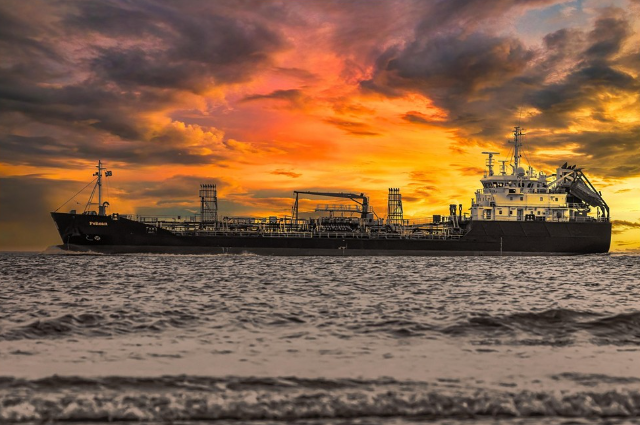
Image by Tom from Pixabay
A cargo ship attacked off the Oman coast left families waiting for news after 13 Indian sailors were rescued and one remained missing. The incident took place on September 13, 2026, as tensions rose around the Strait of Hormuz. The Business Standard reported the rescue figures and India’s call for safe navigation through regional waters. The attack affected all 14 Indian crew members aboard the commercial vessel MT El Gaia. Indian authorities confirmed that 13 sailors had been rescued, while search teams continued looking for the remaining crew member. The incident has drawn attention because it happened near a major shipping area. Commercial vessels carrying goods and energy supplies pass through waters near Oman, the Gulf of Oman, and the Strait of Hormuz.
The rescue effort that brought 13 Indian sailors to safety
India’s Ministry of External Affairs said 13 of the 14 Indian crew members were rescued. The ministry thanked Omani authorities for helping with the rescue operation.
The Indian embassy in Oman was monitoring the situation and coordinating with local authorities. The available report does not say whether the rescued sailors received medical treatment or where they were taken after the rescue. One Indian sailor remained missing after the attack. The search-and-rescue operation was still underway when the report was published.
Officials had not released details about the search area, weather, sea conditions, or the vessels involved. Updates from Omani authorities and India’s embassy will be important for the sailor’s family and the crew’s representatives.
What Is Known About the Cargo Ship Attacked Off Oman Coast
The confirmed account remains limited. India identified the vessel as MT El Gaia and said it came under attack off Oman on September 13.
The early report does not identify the attackers, explain the motive, or describe the full sequence of events. Those details must come from official findings rather than early claims. The attack happened off the coast of Oman earlier on September 13, according to India’s foreign ministry. The report does not provide an exact time or precise position.
The area has major value for commercial shipping. Oman faces the Gulf of Oman and lies close to the Strait of Hormuz, a narrow passage linking the Gulf with wider ocean routes. MT El Gaia had 14 Indian crew members aboard. Thirteen were rescued, and one sailor was still missing.
The report does not confirm the vessel’s flag, owner, operator, cargo, or planned route. It also gives no verified details about damage, injuries, weapons, explosions, evacuation, or a loss of communication.
What remains unconfirmed
Several key facts remain open. The attackers’ identity, their motive, the exact method of attack, and the vessel’s condition have not been confirmed.
The location and condition of the missing sailor were also unknown in the reported update. Claims shared without confirmation could increase fear among families and crews. An attack near Oman can affect shipping decisions beyond the vessel involved. Shipowners may review routes, crew safety plans, insurance cover, and contact procedures after any security incident.
The wider effects of this particular attack were not yet reported. Still, the location gives the incident wider importance for vessels operating between the Indian Ocean, Gulf ports, and overseas markets.
Oman’s position along major commercial sea lanes
Oman sits beside waters used by ships moving between the Arabian Sea and the Gulf. The nearby Strait of Hormuz connects the Gulf with the Gulf of Oman and the wider Indian Ocean.
Insecurity in these waters can raise concern for cargo ships, tankers, fishing vessels, and support craft. Even when an attack affects one vessel, other operators may assess whether their routes and sailing times remain safe.
Why accountability and transparency matter?
A clear investigation can improve future safety alerts and help prevent similar attacks. It can also support claims for compensation and give families a reliable account of what happened. Responsibility should not be assigned before authorities release verified findings. Transparent reporting is essential for seafarers, shipowners, and civilian trade.
Conclusion
The cargo ship attacked off Oman coast carried 14 Indian crew members. Thirteen were rescued, while one sailor remained missing as India’s embassy worked with Omani authorities on the search, and India condemned the attack and urged the restoration of safe navigation and commercial movement through regional waterways. The case shows why rescue coordination, accurate updates, and strong protection for civilian shipping matter.
The next priority is finding the missing sailor and establishing the full facts. Every response should place seafarer safety first, followed by accountability and steps that protect future voyages.
References