
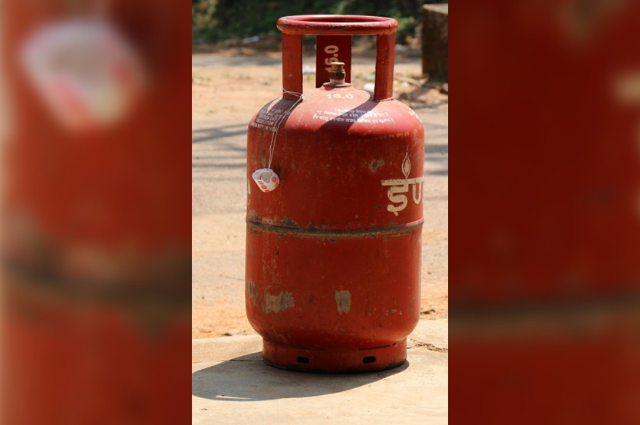
The price of a 19-kilogram commercial LPG cylinder in Delhi has increased by ₹62.50 from October 1, 2026. After the revision, businesses will pay ₹2,810 per cylinder, compared with the earlier price of ₹2,747.50. The increase affects commercial users such as restaurants, hotels, roadside eateries, food outlets and catering companies. The timing of the hike is significant. October marks the beginning of the festive season in India, a period when food businesses usually experience higher customer demand. Restaurants receive more orders, caterers handle larger events and hotels often see increased occupancy. This also means that their consumption of cooking gas rises.
For businesses that use several cylinders every week, the additional ₹62.50 per cylinder may appear modest at first. However, when multiplied over dozens or hundreds of cylinders, it can become a meaningful addition to monthly operating expenses.
Why the timing matters?
The festive season is generally considered an important business period for the hospitality and food-service industries. People travel, attend weddings, organise family gatherings and spend more on eating out and ordering food. Catering companies and small eateries also see increased activity.
This higher demand can be good for businesses because it may increase sales. At the same time, it can raise operating costs. Commercial LPG is one of the regular expenses for establishments that prepare food on a large scale. When the price of cooking gas rises just before demand increases, businesses may have to spend more at the exact time they are trying to maximise their earnings.
A restaurant that uses only a few cylinders a month may be able to manage the increase without making major changes. But a large kitchen, hotel or catering company may use many cylinders every day. For such businesses, the impact will be more visible.
Impact on restaurant and catering costs
The most direct impact of the hike will be on the cost of preparing food. Commercial LPG is used for cooking meals, boiling water, frying food and carrying out many other kitchen activities. Higher LPG prices mean that each meal may cost slightly more to prepare.
Businesses now have two main choices. They can absorb the extra expense or pass some of it on to customers. If a restaurant absorbs the increase, its profit margin will become smaller. This may be possible for a short period, especially if sales are strong during the festive season. However, if fuel prices remain high or rise further, continuing to absorb the cost may become difficult.
The second option is to increase prices. Restaurants may raise the price of selected dishes, catering packages, snacks or beverages. Some businesses may not announce a separate price increase but may adjust their menus or reduce discounts. Others may add delivery or service charges to manage the higher cost.
Households are not directly affected
The latest revision applies to commercial LPG cylinders, not domestic LPG cylinders used in household kitchens. In Delhi, the price of a 14.2-kilogram domestic LPG cylinder remains unchanged at ₹942, according to the reports.
This distinction is important because commercial and domestic LPG serve different categories of users. Commercial cylinders are generally larger and are used by businesses that need substantial quantities of cooking gas. Domestic cylinders are supplied for household cooking.
Therefore, families using domestic LPG will not see an immediate increase in their cooking-gas bill because of this particular decision. The impact will first be felt by businesses that purchase commercial cylinders. Consumers, however, could experience an indirect effect if restaurants, food stalls and catering companies decide to pass the extra cost on to customers. Any such impact is likely to vary from one business to another.
For now, the clear message is that commercial kitchens in Delhi will face higher cooking-fuel expenses from October 1. The burden will be greatest for businesses that use large quantities of LPG and operate on narrow margins. As the festive season progresses, the market will reveal whether companies absorb the increase, adjust their prices or find other ways to manage the additional cost.
References