
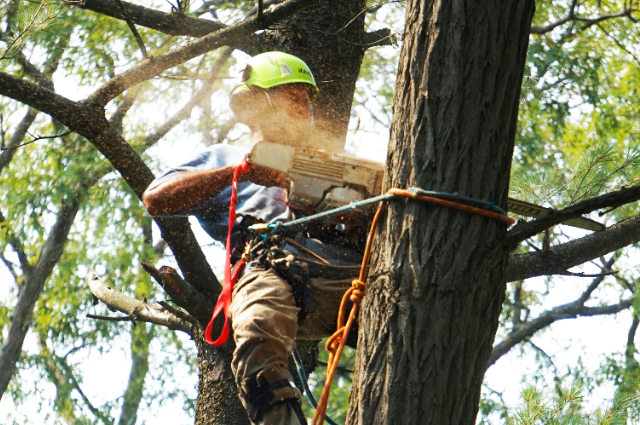
The mountains of Uttarakhand stand at a crossroads, caught between the promise of progress and the perils of environmental destruction. The recent approval to fell 6,822 trees along the Gangotri National Highway has ignited a fierce debate that strikes at the heart of India's development model: Can we build roads without destroying the very foundations that keep our mountains stable?
The Numbers Tell a Troubling Story
The Uttarakhand forest department has approved the removal of 6,822 trees across 41.92 hectares in the ecologically fragile Bhagirathi eco-sensitive zone. This clearance covers a 20-kilometer stretch between Jhala and Bhaironghati as part of the ambitious Char Dham All-Weather Road Project. The plan proposes relocating 4,366 trees while cutting down the remaining 2,456, with compensatory afforestation promised across 76.924 hectares in other areas.
But here lies the first contradiction that the Border Roads Organisation claims only 1,400 trees will be affected, while forest documents speak of nearly 7,000. This confusion over basic facts raises immediate questions about transparency and accountability. When we cannot even agree on how many trees will be lost, how can we trust the larger environmental assessments?
The discrepancy extends to road width as well. Initial proposals suggested widening from 12 meters to 24 meters. Following opposition, this was reduced to 12 meters, then to 11 meters. Scientists, however, recommend an intermediate width of just 5.5 meters, arguing this would be sufficient for vehicle movement while causing minimal environmental damage. The gap between scientific recommendations and actual implementation reveals a troubling dismissal of expert advice.
Shadows of Recent Tragedy
The timing of this clearance could not be more unfortunate. Just four months before the approval, in August 2025, the village of Dharali experienced devastating flash floods. Homes were buried, livelihoods destroyed, and lives forever altered. A Supreme Court-appointed committee had already warned that construction activities on unstable moraine terrain exacerbate landslide vulnerabilities in this region.
The Bhagirathi eco-sensitive zone was designated precisely to protect the fragile ecosystem surrounding the Bhagirathi River and Gangotri Glacier. Since 2018, this area has been recognised as requiring special protection. Yet, within a few years, we are witnessing massive interventions that directly contradict this protective designation. A 2024 report documented approximately 200 new landslide-prone areas developing in the Uttarakhand Himalayas, many linked to road construction activities. The Tota Valley near Devprayag has shown alarming mountain cracking, and roads built under this very project crumble during light rains.
Geologist SP Sati explains the science plainly, where the Harsil Valley rests on loose glacial debris that can slide under slight pressure or rainfall. Extensive cutting or blasting weakens the slope's grip and multiplies landslide risks. Old-growth trees like deodar hold soil together through their root systems, a function that cannot be replicated by young saplings planted elsewhere as compensation.
The Human Face of Controversy
What makes this controversy particularly complex is the division it has created among local communities. Environmental activists, including former Union Minister Murli Manohar Joshi, tied sacred threads around these trees in a symbolic act of protection. They launched the "Raksha Sutra" campaign, performing prayers and raising awareness about ecological destruction.
Yet, many villagers, particularly from disaster-hit Dharali, protested against these environmentalists. Village head Ajay Negi articulated the frustration of ancestors who have protected these forests for centuries, but current times demand development. Residents burned effigies of environmentalists, accusing them of blocking progress for personal motives. They argue that the region needs better connectivity for pilgrims visiting the sacred Char Dham sites and for strategic defence purposes, given the closeness to the Chinese border.
This conflict reveals a deeper truth about the development that cannot be imposed from above without addressing the genuine needs and concerns of those who live in these mountains. The villagers' anger stems partly from feeling unheard, from seeing outsiders dictate their future without understanding their daily struggles with poor connectivity and economic hardship.
The Hypocrisy of Green Pledges
Perhaps the most troubling aspect of this entire episode is how it contradicts India's own environmental commitments. The Prime Minister launched the "Plant4Mother" initiative on World Environment Day 2024, encouraging citizens to plant trees in honour of their mothers. The campaign aimed to plant 140 crore saplings by March 2025 and achieved 118 crore by February.
Meanwhile, the Himalayan states lead in forest diversions. Since 2021, Himachal Pradesh alone has cleared 2,484 hectares for development projects. The National Green Tribunal is investigating illegal felling, and parliamentary debates have highlighted violations of the Forest Conservation Act. In 2023, the same Char Dham project saw clearances for 25,000 trees despite Supreme Court scrutiny.
This pattern exposes a fundamental dishonesty in our approach to environmental governance. We plant saplings with great fanfare while systematically clearing mature forests. We create eco-sensitive zones and then grant exemptions for "strategic" projects. We conduct environmental impact assessments that somehow always conclude that destruction is acceptable.
Compensatory afforestation sounds responsible on paper, but ecologists know that young trees planted elsewhere cannot replicate the soil stabilisation, water retention, and biodiversity support provided by old-growth forests. A deodar tree that has stood for decades or centuries has roots that penetrate deep into the earth, binding soil layers together. A sapling takes years to develop such capacity, if it survives at all in its new location.
The Larger Question
This controversy in Uttarakhand is not isolated. It reflects India's broader struggle to balance development aspirations with environmental sustainability. The question is not whether we need roads in the mountains. The question is whether we need roads that destroy the mountains themselves.
The villagers of Dharali deserve safe connectivity and economic opportunity. Pilgrims deserve access to sacred sites. Defense needs are legitimate. But these genuine requirements do not justify ignoring scientific warnings, dismissing expert alternatives, or proceeding with projects that threaten the very landscape they claim to serve.
The trees marked for felling in the Bhagirathi eco-sensitive zone are more than timber. They are anchors holding delicate hills together. They are water regulators preventing flash floods. They are biodiversity hotspots supporting countless species. They are sacred symbols for communities that have coexisted with these forests for generations and they are warnings standing between us and the landslides that will come if we ignore what the mountains are trying to tell us.
. . .
References: