
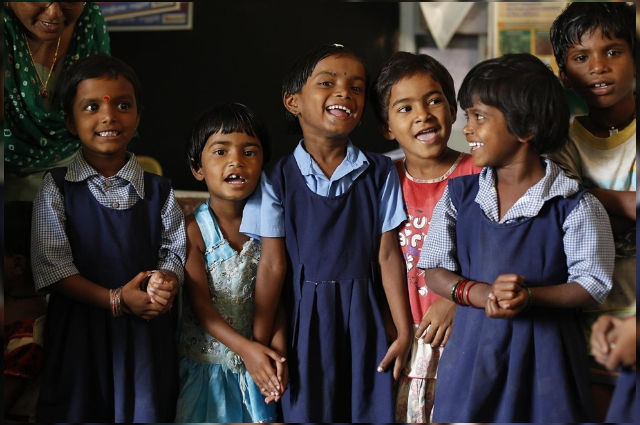
Image by AkshayaPatra Foundation from Pixabay
A child may know the right answer in class and still struggle to make a decision, speak up, or handle failure. Dream a Dream’s life skills education in Bengaluru helps children from vulnerable communities build confidence, emotional strength, teamwork, and hope alongside academic learning.
Why Dream a Dream Life Skills Education in Bengaluru Matters
School subjects give children important knowledge. Life skills help them use that knowledge in real situations, make choices, build relationships, and recover after setbacks. Dream a Dream treats these abilities as a key part of education, not an extra activity.
Children may need to plan a journey, solve a disagreement, ask for help, or express fear. Textbooks rarely give them enough practice with these tasks. Academic learning and life-skills education work best together because children need both knowledge and the confidence to apply it.
Dream a Dream co-founder Vishal Talreja saw this gap while working with children in care homes. Some had food, shelter, and schooling, yet struggled to make everyday choices after leaving institutional care. His account of Dream a Dream’s early work describes children who had little chance to practise decision-making or plan for independent life.
Children learn better when they feel safe, accepted, and able to make mistakes. Joy, belonging, and self-worth can encourage them to join group activities and speak with others. These feelings also give children space to discover their strengths.
Dream a Dream’s government work includes the Happiness Curriculum in Delhi. The Better India describes it as a social and emotional learning programme designed to support mindfulness and positive productivity. The organisation’s wider approach links education with thriving, agency, and the chance to live with dignity.
Skills that expand future choices
The programme builds skills such as communication, empathy, creativity, teamwork, critical thinking, leadership, and decision-making. Children can use these abilities at school, at home, in friendships, and later at work. They also learn to respond to problems instead of feeling powerless when plans change.
Dream a Dream began in 1999 and launched its After School Life Skills Programme in 2002. Its approach uses trained adult facilitators, safety, play, and empathy to create meaningful learning experiences.
Meeting children through schools and communities
The organisation has worked with affordable private schools, public schools, care homes, and state governments. In Bengaluru, its current case study describes five Thriving Schools and two permanent Thriving Centres for young people aged 8 to 23. Outdoor camps also extend learning beyond the classroom.
Volunteers helped the organisation grow from 11 people to 300 within two years of its early work. Partnerships with groups such as Bengaluru Football Club, Grassroots Soccer, and EKA Fellowship have added reach and expertise.
Protecting dignity and agency
Children should have a voice in the activities that shape their learning. Dream a Dream alumnus Ranjith H joined a rugby programme at age 12 and later played for Karnataka at the national level. He said the sport helped him learn to speak with people and feel less afraid in social settings.
Ranjith later joined Dream a Dream as a football facilitator. His story shows how children can become participants, leaders, and mentors within their communities.
Outcomes differ from child to child. Dream a Dream reports gains in communication, teamwork, decision-making, and confidence, while individual stories show how those changes may appear in daily life. These examples should not be treated as proof that every result comes from one programme alone.
Children may become more willing to ask questions, perform, lead, or speak with unfamiliar people. Sports and group activities give them low-risk settings to practise these skills. Reflection helps them recognise emotions, manage pressure, and seek support.
Ranjith’s account offers one direct example when he was comfortable playing rugby but afraid to talk to people. Over time, travel and competition helped him become more confident.
Conclusion
Dream a Dream shows how education can include knowledge, confidence, empathy, creativity, and emotional strength. In Bengaluru, its sports, arts, outdoor activities, and facilitator-led programmes give underserved children space to practise skills that matter in school and adult life.
Happiness is not separate from learning. A sense of safety, belonging, and possibility can help children take part, recover from mistakes, and imagine a future with dignity. Schools, families, communities, non-profits, and supporters can help create that future by giving every child regular chances to speak, choose, create, cooperate, and lead.
References