
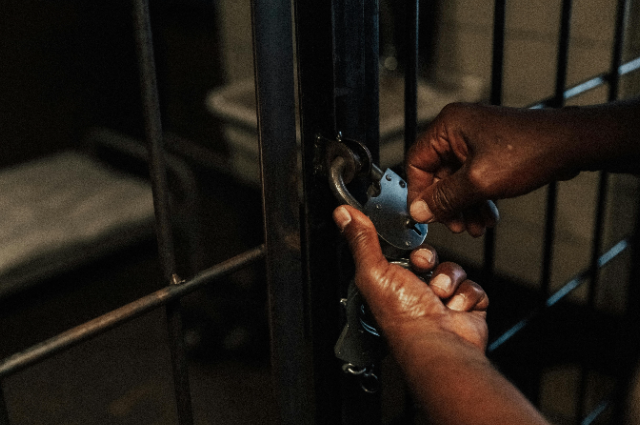
Hyderabad has recently introduced a strikingly unusual initiative that includes the “Feel the Jail” program at Chanchalguda Central Jail. For ₹2,000, ordinary citizens can voluntarily spend 24 hours inside the prison, dressed in inmate uniforms, eating prison food, and sleeping in cells. Phones and personal belongings are surrendered, and participants follow the same routine as prisoners.
This idea has captured attention not only in India but globally, because it blends curiosity, awareness, and tourism in a way that challenges how we think about punishment and freedom.
The Experience in Detail
Participants are checked in like prisoners. They are given uniforms, assigned cells, and served food cooked in the prison kitchen. The meals are plain, the schedule is strict, and the environment is controlled. The day begins early, with fixed times for meals and rest. The prison authorities stress that this is not entertainment. It is designed to show discipline, simplicity, and the restrictions of prison life. The hope is that citizens will reflect on the value of freedom and the consequences of crime.
Why Introduce Such a Program?
The Telangana Prisons Department sees this as both a revenue-generating idea and a social awareness campaign. By opening the prison in this controlled way, they aim to break myths about jail life.
Prisons are often imagined as mysterious or terrifying. This initiative shows that they are structured institutions with rules, routines, and discipline. It also reminds people that crime leads to loss of liberty, and that punishment is not glamorous.
Historical Context of Chanchalguda Jail
Chanchalguda Central Jail is one of Hyderabad’s oldest prisons, with a history dating back decades. It has housed thousands of inmates and has been part of the city’s justice system for generations. Choosing this jail for the program adds weight to the experience for participants are not stepping into a staged environment but into a real, functioning prison.
This historical backdrop makes the initiative more than a novelty. It connects citizens with the city’s legal and social history, showing how punishment has been administered over time.
Global Trend of Prison Tourism
Hyderabad’s experiment fits into a larger global trend. Around the world, prisons have been converted into tourist attractions.
- In the United States, Alcatraz in San Francisco draws millions of visitors each year.
- In South Africa, Robben Island, where Nelson Mandela was imprisoned, is now a UNESCO World Heritage site.
- In Finland, a former prison has been turned into a hotel where guests sleep in cells. Hyderabad’s version is unique because it is not just about visiting but about living the life of a prisoner for a day.
Public Reactions
The initiative has sparked mixed reactions. Some citizens are curious and excited, seeing it as a rare chance to experience something unusual. Others are sceptical, questioning whether it trivializes the suffering of real inmates.
Former prisoners and activists have raised concerns that prison life should not be turned into tourism. They argue that confinement is a punishment, not an adventure. Yet supporters believe that if handled responsibly, it can educate society and foster empathy. The ethical question is central. Does “Feel the Jail” risk turning punishment into entertainment? Or does it genuinely educate people about the value of freedom?
If participants treat it as a thrill-seeking adventure, the purpose may be lost. But if they reflect on the restrictions and discipline, it can serve as a powerful reminder of why crime must be avoided. The program’s success depends on how it is framed. If it is marketed as awareness and reflection, it can have social value. If it slips into gimmickry, it risks undermining its purpose.
Imagining the Participant’s Perspective
Picture a citizen stepping into the cell. The door closes, the phone is gone, and silence surrounds them. Meals are plain, the bed is hard, and the routine is strict. For 24 hours, freedom is replaced by confinement. At first, it may feel like novelty. But as hours pass, the reality of restriction sinks in. The inability to move freely, the absence of choice, and the monotony of routine become heavy. By the end, stepping out of the gate feels like liberation. That moment of release is perhaps the most powerful lesson where freedom is precious.
Social Impact in India
In India, where prisons are often hidden from public view, this initiative opens a window into their reality. It can help citizens understand the justice system better and encourage respect for law and order. It may also spark conversations about prison reforms. If people see the conditions firsthand, they may advocate for better facilities, rehabilitation programs, and humane treatment of inmates.
Hyderabad’s “Feel the Jail” is more than a quirky experiment. It is a mirror held up to society, asking us to reflect on freedom, discipline, and punishment. For ₹2,000, one can buy a day of confinement, but the real takeaway is not the novelty of sleeping in a cell. It is the realization that liberty should never be taken for granted.
In a world where tourism often focuses on pleasure, this initiative offers something different, which is a confrontation with reality. Whether one sees it as awareness, adventure, or gimmick, it undeniably makes us think, and that, perhaps, is its greatest success.
. . .
References: