
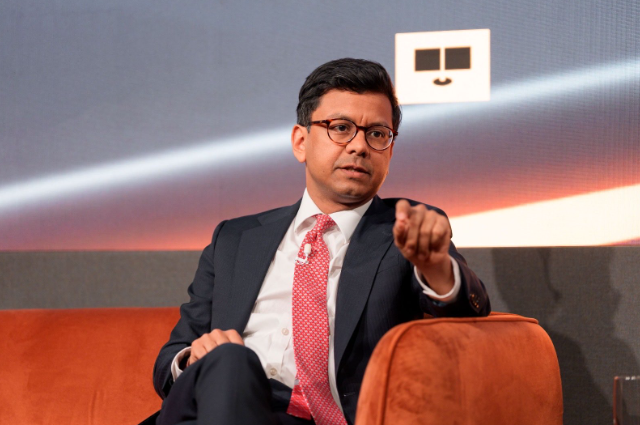
Kanishka Narayan was born in Patna, Bihar, spending his early years grounded in the rich cultural history of the region. His childhood in Patna gave him a strong sense of community and an early appreciation for education. Before moving to the UK, this foundational environment shaped how he viewed public service and societal duty. Moving across continents brought major changes, but those early memories in Bihar stayed with him as he adapted to a new life abroad.
Educational Excellence and Academic Journey
Narayan went on to attend top-tier academic institutions, building a sharp mind for public policy and governance. He studied at Oxford and Stanford, sharpening his skills in economics, politics, and social strategy. These schools taught him how large institutions operate and how policy decisions affect daily life. This academic background laid the groundwork for his future work in government administration and tech policy.
Before winning a seat in Parliament, Narayan worked on economic policy and advised senior leaders on financial reforms. He spent years working inside government departments and advisory groups to understand the procedure of lawmaking. Winning his parliamentary seat marked a major turn in his career, moving him from an advisor to an elected official. Entering the UK government administration gave him the platform to shape national policy firsthand.
Historic Appointment as the United Kingdom’s First Artificial Intelligence Minister
The new UK administration created a specific ministerial role focused entirely on emerging tech, naming Kanishka Narayan to the post. This historic appointment makes him the United Kingdom’s first artificial intelligence minister. Lawmakers set up this position to manage the rapid rise of computer automation and machine learning across the country. Holding this title places him at the center of global debates on how governments should handle smart machines.
His new portfolio covers AI safety, strict regulation, and funding for domestic innovation. He has to balance rapid technological growth with clear ethical boundaries to protect citizens. This means writing rules that stop tech abuse while still letting smart programmers build useful tools. Part of his job involves stopping bad data practices and keeping public trust high as algorithms take on bigger tasks in daily life.
Narayan wants to turn the UK into a global leader in artificial intelligence governance. His office works with other countries to set shared rules for machine learning safety and data sharing. By matching local laws with international standards, he helps British tech firms sell their products abroad without running into legal roadblocks. This global view ensures the UK stays competitive against other tech hubs like the US and China.
The Power of the Indian Diaspora in Western Government
Narayan joins a growing group of people of Indian descent holding high office in Western political systems. Leaders like former Prime Minister Rishi Sunak paved the way for a new wave of diverse political talent in the UK. This shift shows how multicultural backgrounds now shape top levels of government in Europe and North America. Voters increasingly pick candidates based on skill rather than background, changing who gets to sit at the cabinet table.
Growing up with ties to two distinct cultures gives leaders like Narayan a wider view of the world. He blends his Indian heritage with Western policy training to find practical solutions to modern problems. This dual perspective helps him connect with immigrant communities while running a major government department. It also changes how international diplomacy works, as officials bring personal empathy to trade and tech talks.
Economic and Diplomatic Implications for UK-India Relations
Having roots in Bihar and citizenship in the UK gives Narayan a unique role in bilateral ties. He can help build stronger trade deals and tech partnerships between London and New Delhi. Both nations want to boost software exports, green energy projects, and scientific research together. His background helps open doors for business leaders from both countries who want to invest in new tech markets.
Narayan faces tough choices regarding open-source code, digital copyright, and fast commercial rollouts. Tech firms want to release new models fast, but watchdogs worry about job loss and bad data. He must write laws that protect intellectual property without slowing down small startup companies. Finding this middle ground is the hardest part of his job as the country's top tech regulator.
Boosting Domestic Tech Ecosystems and Funding
The UK needs more local funding to keep top tech talent from moving to Silicon Valley. Narayan supports grants and tax breaks for British startups and university research labs. Helping domestic firms grow keeps tax money and high-paying jobs inside the country. His policies focus on building strong computer clusters outside of London as well.
As automation grows, many workers worry about losing their jobs to smart machines. Narayan pushes for public sector training programs to help adults learn new tech skills. Schools also need better computer science classes so young students understand how code works. Teaching the public how to use these tools safely stops fear from halting useful tech growth.
Kanishka Narayan stands at the forefront of a major shift in how governments handle new technology. From his early days in Patna to his current role as the UK's first artificial intelligence minister, his path shows the impact of hard work and global perspective. By balancing strict safety rules with support for startup growth, he helps shape a safer digital future for everyone. His work will guide how nations use smart machines for decades to come.
. . .
References: