
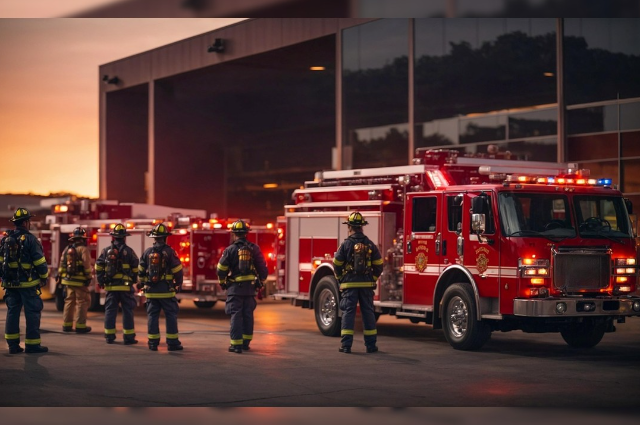
Nine people died in a Kolkata hotel fire on August 19, 2026. Within days, the Kolkata hotel fire safety crackdown shut hotels, ordered others to vacate, and placed dozens more under scrutiny across West Bengal.
The action followed fires at Shikha Inn in central Kolkata and a hotel in Tarapith. Reports found expired fire licences, blocked exits, poor ventilation, changed floor plans, and unsafe electrical use. For visitors, hotel owners, and residents, the key issue is clear: can a building provide a safe escape during an emergency?
Why the Kolkata Hotel Fire Safety Crackdown Matters Now
The inspections focus on central Kolkata areas such as Mirza Ghalib Street, Marquis Street, SN Banerjee Road, Free School Street, and New Market. These streets contain older buildings, narrow lanes, and many small hotels, inns, and restaurants.
This article brings together three reports on the inspections, the Shikha Inn fire, and related enforcement in West Bengal. It explains what officials found, what the action means for guests, and how travellers can check basic safety signs before booking.
The reports also show why a hotel’s low price or central location should not outweigh fire protection, working exits, and current licences. A hotel may appear clean and busy while still having serious safety problems. Guests usually cannot see whether a fire licence is current, whether an emergency gate is locked, or whether a building’s floor plan matches its approved design. The inspections aim to find those hidden risks before another fire causes more deaths. They also test whether local licensing systems are working as intended.
What the Kolkata Hotel Fire Safety Crackdown Found
The reported violations were not limited to missing paperwork. Officials cited expired fire licences, locked emergency gates, poor ventilation, inadequate exits, unauthorised changes to floor plans, and electricity use above approved limits. Families, older travellers, children, and people with mobility limits face greater difficulty during evacuation. They need more than a room that looks comfortable; they need a clear route to safety.
Enforcement works only when inspections lead to repairs, closure, or other action. Owners must keep exits open, maintain equipment, follow approved plans, and renew required permissions. Guests can also reduce risk by checking the nearest stairs after arrival. If an emergency door is locked or a corridor is filled with stored items, that warning deserves attention.
Risks, Limits, and Trade-Offs
Closing unsafe hotels can protect the public, but it can also disrupt travellers, workers, and nearby businesses. Guests may need to leave with little notice, while owners may face repair costs or lost income. Show-cause notices also do not prove that every allegation has been finally established. The PTI report said affected establishments would have a chance to present their cases during hearings before divisional fire officers.
The Main Limitation
A notice or temporary closure gives only a partial picture. Readers still need to know whether the hotel corrected the problem, received renewed approval, or remained closed after the hearing. The reports do not provide a complete public list of every property’s final status. Travellers should check current information before booking or arriving.
Questions to Ask Before Booking
Ask whether the hotel has a current fire clearance and whether emergency stairs remain open. Check if the property has a visible evacuation plan, alarms, extinguishers, and a staffed front desk at all hours.
Also consider the building itself. A very narrow corridor, sealed window, locked gate, or room far from a usable staircase should change your decision. Further verification is still needed on each hotel’s final hearing result, repair status, licence renewal, and reopening date. Those details matter more to guests than the first announcement of closure.
Conclusion
The Kolkata hotel fire safety crackdown gives travellers a clear reason to inspect hotels before staying. The main safety signs are practical, including current approvals, open exits, working alarms, clear corridors, and proper ventilation.
The action also exposes a limit in relying on notices alone. A hotel is safe only when owners correct hazards and officials confirm compliance.
Before booking, check the property’s current status, ask about fire clearance, and inspect the escape route after arrival. If the answers are unclear, choose a hotel with verifiable safety records.
References