
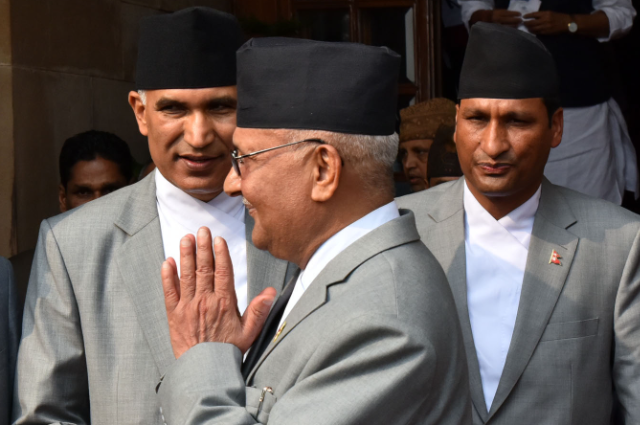

Nepal is going through a tense and important political moment. The arrest of former Prime Minister K. P. Sharma Oli has sparked protests, legal battles, and strong public reactions. At the heart of this situation is a difficult question that is this a step towards justice, or is it political revenge? To understand what is happening, we must look back at the events that led to this moment.
The Protests that Changed Nepal
In September 2025, Nepal saw massive protests led mostly by young people. These demonstrations were driven by anger over corruption, unemployment, and dissatisfaction with how the country was being governed. What began as protests soon turned violent. During the crackdown by security forces, many people lost their lives, reports suggest around 76 deaths. This tragic event shook the country and led to the fall of Oli’s government. People demanded accountability, and the issue did not fade away with time.
A government investigation later concluded that there had been serious failures in handling the situation. It pointed to negligence at the highest levels, including the leadership of the then government.
The Arrest and Its Fallout
Months after the protests, Oli was arrested along with former Home Minister Ramesh Lekhak. Authorities say the arrests are based on findings that they failed to prevent the violence. Soon after the arrest, Nepal’s Supreme Court was approached. While the court asked the government to explain the legal basis for the detention, it did not grant immediate relief. This means that, for now, the legal process will continue.
At the same time, Oli’s supporters strongly opposed the move. His party announced protests across the country, arguing that the arrest was unfair and politically motivated. Demonstrations have taken place in different regions, showing that the issue has deeply divided public opinion.
Health Concerns Add Another Layer
Just a day after his arrest, Oli was admitted to a hospital after complaining of heart-related discomfort. This development has added a human dimension to the political crisis. It has also raised concerns about how such high-profile arrests should be handled, especially when health issues are involved.
The arrest came soon after a major political shift in Nepal. A new government, led by Balendra Shah, took power following a strong electoral victory. His campaign focused on accountability and change, especially in response to the protests. For many people, the arrest represents the new government’s promise to deliver justice. It signals that even powerful leaders can be held responsible for their actions or inactions.
But for others, the timing raises doubts. The fact that the arrest happened soon after a change in power has led critics to question whether this is truly about justice or simply about settling political scores.
Justice vs Political Motive
This situation highlights a deeper issue that many democracies face is that how to ensure accountability without turning it into political targeting. On one hand, the families of those who died during the protests deserve answers. Ignoring such a serious loss of life would send the wrong message. Leaders must be responsible for what happens under their watch.
On the other hand, legal processes must be fair and transparent. If people begin to believe that arrests are driven by politics rather than evidence, it can weaken trust in institutions. Oli himself has denied wrongdoing and has questioned the basis of the charges. His legal team argues that there was no clear reason for such a strong action against him.
A Nation Watching Closely
Nepal now finds itself at a crucial moment. The outcome of this case will likely shape the country’s political future. If handled carefully and fairly, it could strengthen democracy by showing that no one is above the law. But if it is seen as biased or rushed, it could deepen divisions and create further instability. The protests in support of Oli and the demands for justice from victims’ families show that emotions are running high on both sides.
This is not just about one leader or one arrest. It is about how Nepal chooses to deal with its past and how it builds its future. The country must find a way to balance justice with fairness, and accountability with unity. That is not an easy task, but it is a necessary one. In the end, what matters most is whether the truth is established in a way that people can trust. Only then can Nepal move forward from this painful chapter.
. . .
References: