
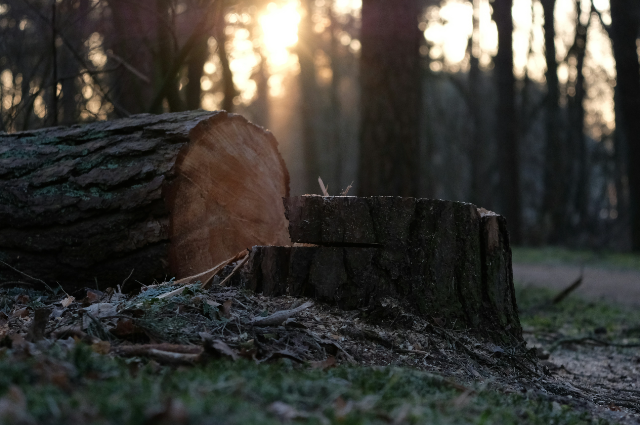
The roar of chainsaws in Uttarakhand has gone silent, at least for now. In July 2026, authorities paused the felling of 3,000 trees intended to make way for the Dehradun-Rishikesh highway project. This decision followed intense public outcry from residents and environmental groups who demanded the state reconsider the plan. The conflict between the need for faster transit and the need to protect local trees has reached a breaking point. It raises hard questions about how we grow as a state while keeping the natural beauty that makes Uttarakhand special.
This article looks at the plans for the road, the reasons for the protest, and what might come next for the region. We will look at why these trees matter and how better planning might offer a way forward for everyone.
The Dehradun-Rishikesh Highway Project: A Plan for Growth
The main goal of the project is simple, to make travel between Dehradun and Rishikesh easier. Currently, the road gets crowded, especially during the tourist season. Long traffic jams are common, which frustrates daily commuters and tourists alike. The proposed highway seeks to fix this by widening the path, straightening curves, and improving the surface.
The state government argues that this change is vital for the economy. A better road means faster trips. It could mean more tourists visiting religious sites and mountain resorts. Faster travel also helps local businesses that rely on supply chains moving between these cities. Supporters of the road point to the potential for more jobs and better access to healthcare and schools for people living in the area. They believe the benefits outweigh the costs of construction.
Why the Dehradun-Rishikesh Highway Project Faced Local Opposition
Despite the promises of economic growth, the project met strong pushback. Many residents feel the cost to the environment is too high. The proposed clearing of 3,000 trees became the focal point of their anger. To the people who live here, these trees are not just objects in the way of a road. They are part of the local air, water, and scenery.
The trees form a vital green buffer. Removing thousands of mature trees could lead to more landslides, which are already a problem in this hilly region. Locals also worry about the impact on the local climate. Mature trees help keep the air cool. Losing them could make the summers feel much hotter in the towns nearby. For those who have lived there for generations, this project feels less like progress and more like the destruction of their home.
The Role of Biodiversity
The area in question is home to diverse wildlife. By cutting down thousands of trees, the project threatens the habitat of many birds, small animals, and insects. While some might focus only on large animals, the small species are just as important for a healthy environment. They help pollinate plants and keep the cycle of nature moving.
Activists have pointed out that replacing old-growth trees with new saplings elsewhere is not a quick fix. It takes decades for a forest to reach the same level of function as one that has stood for years. The damage to the local habitat could be permanent if not managed with great care.
Voices of the Public
The opposition was not just a handful of people. It grew into a broad movement involving local villagers, student groups, and experienced nature lovers. They held meetings, organized petitions, and used social media to share their message. They wanted the government to know that the community values their green space as much as they value modern roads.
One key argument from the protesters was the lack of transparency. They felt the decision to cut the trees happened without enough public discussion. They wanted to see the plans and hear honest answers about why this specific route was chosen over others. The movement showed that people are willing to stand up for their rights and for the health of their land.
The Official Halt and What Comes Next
In July 2026, the state government heard the message and halted the tree felling. This was a win for the groups who spent weeks protesting. It gave everyone a chance to pause and look at the project again. The decision to stop the saws was a signal that public opinion carries weight in Uttarakhand.
This halt does not mean the project is dead. The government is now reviewing its options. They are looking at the environmental reports again to see if there are ways to change the plan. This pause is a time to explore better design choices. It is a chance to move from a rigid plan to one that considers the environment.
Looking Toward Sustainable Alternatives
There are ways to build roads without clear-cutting forests. If the government decides to continue, it must look for creative design solutions. One option is an elevated road. This would let the highway go over certain sensitive parts of the land, leaving the trees beneath it untouched. Another option is building tunnels. Tunnels are more expensive to build, but they often save the surface environment entirely.
. . .
References: