
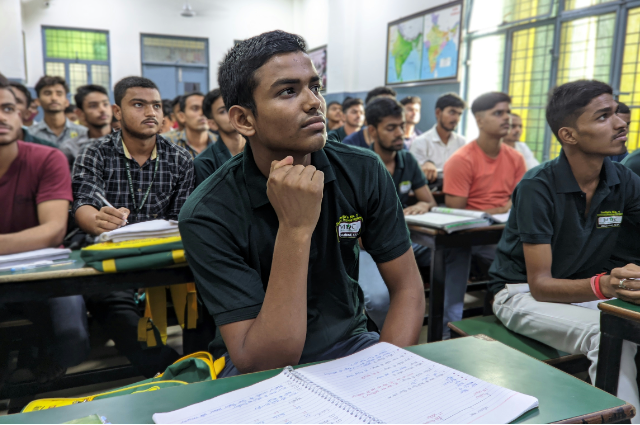
India's young students work incredibly hard for years to chase their dream of becoming doctors. For lakhs of them, the NEET exam stands as the main gateway. This year, that dream faced a serious setback when the NEET UG 2026 exam, held on May 3, was cancelled because of a confirmed paper leak. The government has now stepped in with clear actions that include a fresh exam on June 21, and a big shift to fully computer-based testing from next year. These steps show both accountability and a push for long-term change.
Government Steps In: Re-Exam and Accountability
Union Education Minister Dharmendra Pradhan addressed the nation on May 15. He admitted there was a breach in the chain of command during the exam process. Complaints came in on May 7 about a "guess paper" that looked too similar to the real questions. By May 12, authorities confirmed the leak, and the exam was cancelled right away. Pradhan explained that the government did not want to compromise on fairness. They chose to cancel the test so that no hardworking student would lose their rightful chance because of dishonest people.
The re-exam is set for June 21. Students do not have to pay any extra fees or register again. Admit cards will be issued by June 14. To make things easier, students will get a chance to choose their preferred exam city about a week before the test. The government also plans to arrange transportation where possible. These practical steps aim to reduce stress for the more than 22 lakh affected students.
The Leak Investigation and the Fight Against the “Exam Mafia”
The Central Bureau of Investigation (CBI) is now handling a detailed probe. The minister made it clear that the government has zero tolerance for malpractices and anti-social elements. He said the fight is against an "exam mafia" that tries to snatch seats from deserving candidates. Agencies will go to the root of the problem, and strict action will be taken. This strong message is important. Students and parents need to know that the system will protect honesty, not allow cheating networks to thrive.
Why Moving NEET Online Could Change Everything
The most forward-looking announcement is that NEET will move to a fully computer-based test (CBT) mode from next year. The root cause of this leak was linked to the fact that printing, storing, and transporting them creates risks. A digital format removes physical question papers, which should make leaks much harder. It also allows better monitoring and quicker response. This is a major reform. Technology can help build a stronger system if used wisely.
The Promise and Challenges of Computer-Based Testing
In my view, this shift to computer-based exams is a necessary and welcome step. For too long, high-stakes exams in India have suffered from repeated leaks and scandals. Moving online can reduce human handling of papers and bring more transparency through digital records. However, the change must be managed carefully. Not every part of the country has the same access to computers, stable internet, or reliable power. The government and the National Testing Agency (NTA) will need to focus on training, mock tests, and support for students from smaller towns and villages. If done right, this can level the playing field instead of creating new barriers.
Reforming the National Testing Agency for Zero-Error Exams
The NTA itself is undergoing reforms. It was set up earlier on the recommendation of the Supreme Court of India, and the government is looking at more suggestions to reach "zero-error" exams. Past incidents led to committees like the Radhakrishnan Committee, and its recommendations were being followed, yet a breach still happened. This shows that systems need constant improvement and strict oversight.
The Emotional and Mental Burden on Students
For students, this period has been incredibly stressful. Many have spent months or years preparing. The cancellation and re-exam bring uncertainty, extra pressure, and mental strain. The government's quick decision to refund fees and conduct the re-test free of cost is a helpful gesture. Still, the real solution lies in preventing such crises in the future. Parents and students deserve a system they can fully trust.
Competitive Exams and the Larger Question of Fairness
This episode also highlights a bigger issue in India's education journey. Competitive exams like NEET decide futures and social mobility for many from ordinary families. When leaks happen, they do not just delay results; they shake faith in fairness. The "exam mafia" profits while genuine aspirants suffer. Strong investigation, punishment for those involved, and systemic changes are the only way forward.
A Necessary but Difficult Decision by the Government
As an observer, it is believed that the government's response balances firmness with practicality. Cancelling the exam was a tough call, but it protected the exam's integrity. Announcing computer-based testing shows vision. Now, success depends on execution. The CBI probe must be thorough. Security for the June 21 re-exam must be tight. And the transition to online tests must include every student, no matter their background.
NEET matters because doctors shape our health and future. The students appearing for it carry big dreams. By learning from this leak, fixing the cracks, and embracing technology, India can build an examination system that truly rewards hard work and talent. The coming weeks and months will test how well these promises turn into reality. For the sake of lakhs of young minds, we must get it right.
. . .
References: