
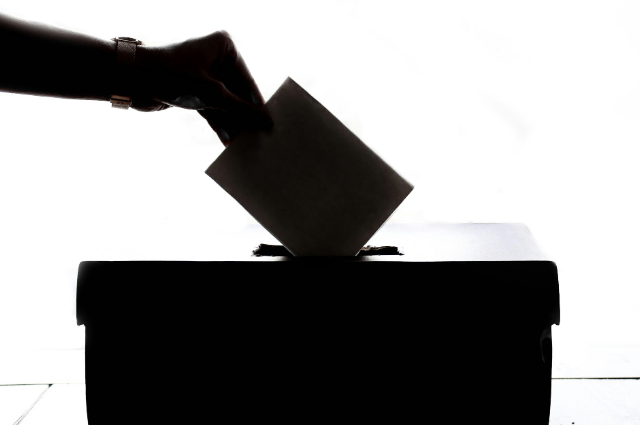
With assembly elections approaching next month in West Bengal, Assam, Tamil Nadu, Kerala, and Puducherry, the Election Commission of India (ECI) has made one thing clear, it is not looking the other way this time. Since activating its Electronic Seizure Management System on February 26, enforcement teams have seized illegal goods worth over Rs 408 crore that were meant to influence voters across these states and in bye-elections in six others. That number is not a small footnote. It is a signal of just how embedded the practice of buying votes has become in Indian electoral politics.
What Was Actually Seized?
The seizures were not just cash stuffed in bags. The total included Rs 17.44 crore in cash, liquor worth Rs 37.68 crore, amounting to 16.3 lakh litres, drugs valued at Rs 167.38 crore, precious metals worth Rs 23 crore, and other freebies worth over Rs 163.30 crore. Read that again. Over 16 lakh litres of liquor. Nearly Rs 167 crore in drugs. These are not small gifts, and this is a coordinated, large-scale operation to buy voter loyalty before polling day even arrives.
The variety of items seized is telling. Liquor and cash are the old-fashioned tools of voter bribery. Drugs entering the picture is a more worrying development. It suggests that in some regions, those trying to sway elections are willing to go further and darker than a bottle of alcohol or a few hundred rupees in an envelope.
The Machinery Behind the Crackdown
To its credit, the Election Commission has not been sitting idle. Over 5,173 Flying Squads have been deployed to respond quickly to complaints, alongside 5,200 Static Surveillance Teams conducting surprise checks across the states and Union Territories. That is a substantial ground presence, and it has clearly been producing results.
What makes this crackdown different from previous election cycles is the technology backing it up. The Electronic Seizure Management System, activated before elections were even officially announced, allowed teams to start tracking and intercepting suspicious movement of goods early. This head start clearly made a difference.
But the ECI also knows that heavy enforcement can create its own problems, harassment of ordinary people at checkpoints being the most common complaint. The Commission stressed that enforcement authorities must ensure ordinary citizens are not inconvenienced or harassed during checking and inspection, and District Grievance Committees have been set up to address any such concerns. A helpline number, 1950, has also been set up for anyone wanting to file a complaint.
Citizens Are Watching Too
Perhaps the most encouraging part of this story is what ordinary people are doing. The cVIGIL mobile application, which allows citizens to report violations of the Model Code of Conduct in real time, received 70,944 complaints between March 15 and 25. Of these, 70,831 were addressed, and 95.8% were resolved within 100 minutes.
Think about what that means. Tens of thousands of people across these states picked up their phones, spotted something wrong, and reported it, and most of those reports were acted upon within less than two hours. That is not a small thing. It is a meaningful sign that voters are not passive. They are watching, and they are willing to speak up.
This kind of citizen participation is what gives institutional enforcement actual teeth. Surveillance teams can only be in so many places at once. But if a voter in a small town can photograph a politician handing out cash and have that complaint resolved in under two hours, the deterrent effect grows significantly.
The Bigger Picture
Here is the uncomfortable truth that sits behind all these numbers. The Rs 408 crore seized represents what was caught. Nobody believes it represents everything that was attempted.
Voter bribery in India is not a fringe activity practised by a few bad actors. It is, in many parts of the country, a deeply entrenched expectation on both sides. As one reader commenting on a news report put it, "politicians bribe the people in the days leading up to elections. After the elections, the people bribe the politicians." It is a cynical observation, but not an inaccurate one.
The ECI held a high-level review meeting on March 24 involving Chief Secretaries, Director Generals of Police, and heads of enforcement agencies from poll-bound and bordering states, where the need for elections free from violence, intimidation, and inducements was underscored. The participation of border state officials is particularly important, as much of the cash, liquor, and drugs used to buy votes is moved across state lines precisely to avoid detection.
Is This Enough?
Seizing Rs 408 crore is a strong statement. But it will only mean something if it translates into actual consequences and arrests, prosecutions, and disqualifications for those behind these operations. Confiscating the goods is step one. Holding people accountable is step two, and historically, that second step is where India's electoral enforcement has been weakest.
The Election Commission has the tools, the teams, and evidently the political will to act this cycle. The question is whether the courts, the political parties, and the public will demand that accountability does not stop at the seizure. Because if the message sent is only "we will take your bribes but not punish you," then next election, the numbers will be even bigger. Voters deserve better. And Rs 408 crore worth of seized goods is proof that the attempt to rob them of a fair vote is very much alive.
. . .
References: