
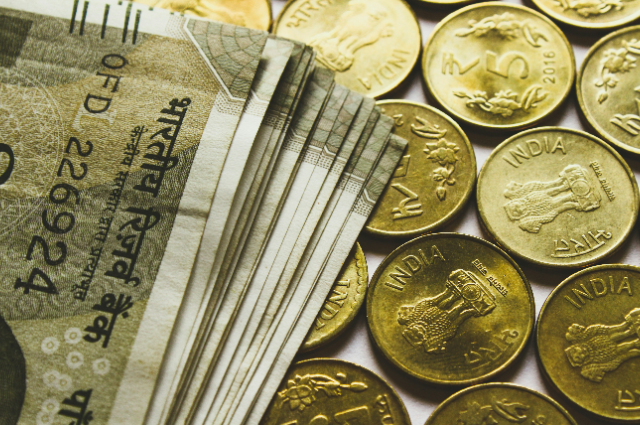
Photo by rupixen on Unsplash
When India's currency touched 90.43 rupees per US dollar on 4th November, it wasn't just another number flashing across trading screens. It was a psychological barrier being broken, a historic low that demands our attention and understanding. The 28-paise slide in early trading represented more than statistical movement, and it signalled deeper currents flowing through India's economy and its place in the global financial landscape.
The Immediate Picture: What Happened?
The rupee's journey to this unprecedented low didn't occur in isolation. When currency traders began their day, the rupee started at 90.36 against the dollar before slipping further to 90.43. Just a day earlier, on 3rd November, they had already witnessed the currency crossing the significant 90-mark for the first time, closing at 90.15. This wasn't a sudden crash but rather a persistent weakening, a steady erosion of value that has been building momentum.
The numbers tell a story of pressure from multiple directions. Foreign institutional investors pulled out over Rs 3,200 crore from Indian equity markets on 3rd November alone. This capital flight represents a loss of confidence, or perhaps a strategic repositioning, but its effect on currency markets is unambiguous when foreign money leaves, demand for rupees decreases and pushes its value downward.
Why Is This Happening?
Several factors have joined to create this perfect storm for the rupee. First, the Reserve Bank of India appears to be holding back from aggressive intervention. Typically, when the rupee weakens dramatically, the central bank steps in, selling dollars from its reserves to support the currency. However, with a crucial Monetary Policy Committee meeting scheduled, the RBI seems to be exercising restraint, allowing market forces more freedom than usual.
Second, importers are searching for dollars. Indian businesses that need to pay for goods from abroad, whether it is electronics, petroleum products, or raw materials, are all competing for foreign currency, driving up demand and consequently the dollar's price in rupee terms. This demand isn't artificial or speculative; it reflects a real economic activity and India's dependence on imported goods.
Third, global conditions aren't helping. The dollar index, which measures the American currency's strength against other major currencies, rose by 0.14 per cent, indicating broad-based dollar strength. When the dollar gains globally, emerging market currencies like the rupee typically suffer. Additionally, ongoing trade tensions with the United States have created uncertainty, making investors cautious about emerging market exposure.
The Economic Tug-of-War: Winners and Losers
A weaker rupee isn't universally negative; the reality is more complex. For India's export sector, a declining currency can be advantageous. When the rupee loses value, Indian goods and services become cheaper for foreign buyers, potentially boosting outbound shipments. An IT services company charging in dollars effectively earns more rupees when those dollars are converted back home.
However, this silver lining comes with significant clouds. Import-dependent sectors face serious challenges. Consider the gems and jewellery industry, which relies on imported raw materials, or the electronics sector, which brings in components from abroad. For these industries, a weaker rupee means higher input costs, compressed profit margins, and potentially higher prices for consumers. The petroleum sector, crucial to India's energy security and transportation costs, becomes more expensive, creating ripple effects throughout the economy.
Chief Economic Adviser V Anantha Nageswaran attempted to provide reassurance, stating that the falling rupee isn't affecting inflation or exports. His perspective reflects a particular economic viewpoint that currency movements, within certain bounds, can be absorbed without triggering broader economic disruption. Yet, this optimistic assessment contrasts with ground realities in import-dependent sectors experiencing real cost pressures.
What Lies Ahead: The RBI's Tightrope Walk
All attention now turns to RBI Governor Sanjay Malhotra and the Monetary Policy Committee's announcement. This meeting occurs at a critical stage, by falling inflation would typically support rate cuts, but a weakening currency argues for caution. Rising GDP suggests the economy can handle higher rates, but ongoing geopolitical tensions create additional uncertainty. Investors want more than technical rate decisions; they seek confidence and clarity about currency management strategy. Will the RBI defend the rupee more aggressively? What level of depreciation is considered acceptable? How will policymakers balance competing objectives of growth, inflation control, and currency stability?
The petroleum price situation adds another dimension. With Brent crude trading around $63 per barrel, oil remains relatively affordable in dollar terms. However, when converted to rupees at current exchange rates, the benefits of lower global oil prices diminish, potentially affecting inflation expectations and import bills.
Final Thoughts: Beyond the Numbers
The rupee's journey past 90 represents more than currency depreciation and it reflects India's integration into global financial markets and the challenges that integration brings. A currency's value is ultimately a market's collective judgment about a country's economic health, policy credibility, and future prospects.
For ordinary Indians, these movements translate into real effects, where costlier international travel, higher prices for imported goods, potential inflationary pressures, but also possible gains in export-related employment. For policymakers, it represents a complex balancing act requiring careful correction of monetary policy, fiscal discipline, and structural economic reforms.
The immediate future remains uncertain. Trade tensions may ease, bringing stability, or they may intensify, creating further pressure. The RBI may shift toward more active currency defense, or it may continue allowing market-determined movements within broader bands. What seems certain is that India's economic managers face difficult choices in the months ahead, navigating between growth imperatives and stability concerns, between domestic priorities and external constraints.
The rupee's historic weakness serves as a reminder that in an interconnected global economy, no nation, regardless of domestic economic strength, is immune to external pressures and market sentiments. How India responds to this challenge will shape not just currency values but broader economic confidence and future prospects.
. . .
References: