
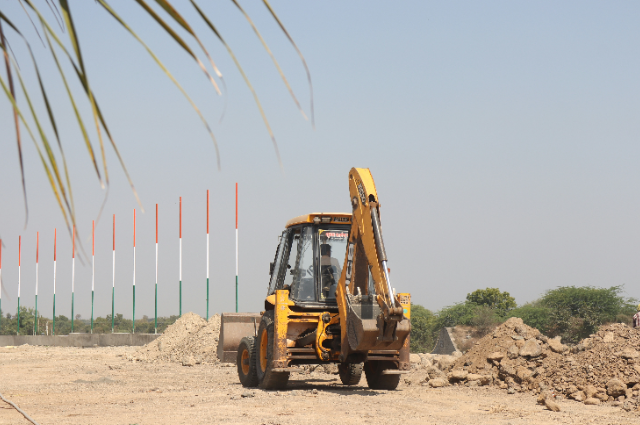
The Supreme Court of India has issued a stern warning regarding illegal construction in Delhi NCR, signalling a major shift toward stricter enforcement. This move comes as the court expresses deep concern over the rise of unauthorized structures that threaten public safety and violate urban planning rules. The current situation suggests that previous attempts to fix these issues failed, and a tougher approach is now necessary. This change will affect many property owners, developers, and local authorities across the region. The judicial system is now prioritizing order and the protection of citizens' rights against unsafe building practices.
Genesis of the Supreme Court's Concern
The court's recent action stems from a series of dangerous incidents involving building fires and collapses in the region. Recent tragedies, such as the fire in Malviya Nagar and building collapses in other parts of the area, highlighted the immediate danger posed by structures that do not follow safety codes. These events are not isolated cases but rather part of a larger, persistent problem of unchecked construction. Many buildings have been erected without proper clearance or in violation of zoning rules, creating fire traps and structurally unsound environments. Years of ignored complaints and failed enforcement efforts have finally led the apex court to intervene directly. The court aims to stop this trend, acknowledging that the safety of citizens is at stake when building laws are ignored.
The Supreme Court's Directives and Warnings
The Supreme Court has made its stance clear by promising strict action that it admits will pinch a lot of people. The court ordered the creation of a specialized inspection team to assess the situation on the ground. This team includes two senior professors from IIT Delhi and two draftsmen, who will work with local municipal corporation officials during inspections. The appointment of academic experts shows that the court wants a fair and technical assessment of the violations, rather than just relying on local body reports. The court's philosophy is rooted in the belief that the rule of law must be upheld in urban development. If buildings are unsafe or unauthorized, they must face the consequences, which could include heavy fines or even demolition.
The Far-Reaching Implications for Delhi NCR Residents and Stakeholders
This section explores the practical consequences of the court's order for various groups involved in property and construction within the region.
Impact on Property Owners and Developers
For owners of properties with unauthorized extensions or buildings that violate safety norms, the immediate future holds significant risk. If an inspection team identifies a structure as unsafe or illegal, the owner might face demolition orders. Even if a property is not demolished, heavy fines and complex legal battles may follow. Developers who built these structures may also face severe legal liabilities. The court’s action implies that ignorance of the law or claiming reliance on faulty permits will not be a valid defense. People who bought property in good faith from developers might find themselves caught in the middle of these legal actions, losing both their money and their homes.
Ramifications for Municipal Bodies and Regulatory Authorities
Municipal bodies and local authorities are now under immense pressure to justify their past failures to monitor construction. For years, the rapid and often unchecked growth of buildings in the region occurred right under the watch of these agencies. The court's order forces them to change how they operate. They must now show they are taking active steps to identify and fix violations instead of just recording them. Failure to enforce building codes properly may now bring direct consequences for officials who allowed unauthorized construction to continue. This shift requires these bodies to be more proactive in their oversight of all new and existing developments.
Broader Economic and Social Consequences
The crackdown will likely affect the local real estate market in several ways. Potential buyers are now more cautious, as investing in properties without clear, legal title or proper safety approval is riskier than ever. This fear could lead to a temporary slowdown in sales as people demand better documentation. Furthermore, the informal sector involved in construction, which relies on cheap, quick, and often illegal building projects, will face a contraction. Urban infrastructure, which is already strained by density, will benefit in the long term if illegal growth is halted. However, the short-term impact will be felt by families who have invested their life savings into property that may now be marked as illegal.
. . .
References: