
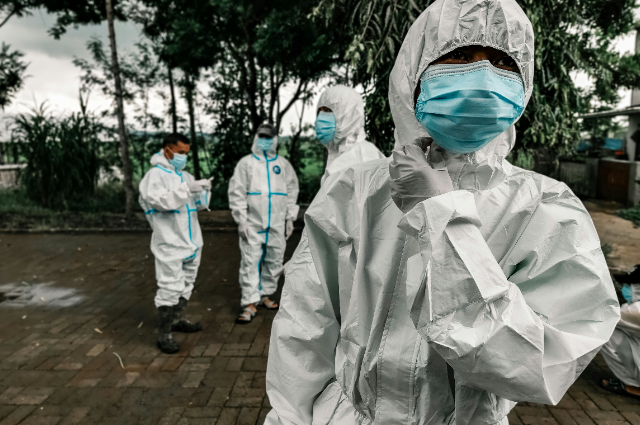
The global health landscape is facing a formidable challenge as the World Health Organization (WHO) has declared an Ebola outbreak a Public Health Emergency of International Concern. Triggered by a rapid spread of the virus in affected African regions, this declaration has sent ripples of concern through international travel hubs. India, maintaining its proactive stance on global health security, has moved swiftly to fortify its borders, particularly at major transit points like Delhi’s Indira Gandhi International Airport.
The Gravity of the WHO Alert
The WHO sounded its highest level of global alarm following reports of a significant surge in cases involving a highly infectious strain of Ebola. This strain is notably difficult to manage because, unlike other strains for which effective countermeasures have been developed, it currently lacks widely available, approved vaccines or specific treatments. With a fatality rate that can soar significantly, the zoonotic nature of this virus, meaning it jumps from animals to humans, makes it a persistent threat in an interconnected world.
India's Proactive Travel Advisory
In direct response to the international emergency declaration, the Government of India issued a comprehensive travel advisory. The Ministry of Health and Family Welfare has strongly advised Indian citizens to avoid non-essential travel to the affected nations and regions. For those already in these areas, the government has urged strict adherence to local health protocols, avoidance of wildlife contact, and heightened personal precautions.
The advisory is a strategic measure to prevent the virus from gaining a foothold on Indian soil. By discouraging travel to high-risk areas, the government aims to minimize the importation risk, where the possibility of an infected traveler unknowingly bringing the virus into the country during its development period.
Delhi Airport: The Frontline of Defense
As India's primary international gateway, Delhi Airport has stepped up as the first line of defense. Heightened health surveillance measures are now in full effect for all international arrivals. Travelers coming from or transiting through the affected African nations are subjected to intensified screening procedures.
The screening relies heavily on thermal scanners, which are non-contact sensors used to detect elevated body temperatures, which is one of the earliest visible signs of infection. Beyond temperature checks, arriving passengers must fill out health declaration forms detailing their recent travel history and whether they have experienced any symptoms. Specific screening zones and dedicated corridors have been established to isolate and manage travelers from high-risk regions efficiently, preventing them from mixing with the general passenger population before being cleared.
Understanding the Virus and Its Transmission
To appreciate the urgency, it is essential to understand how Ebola behaves. Ebola is a viral hemorrhagic fever, a severe illness that interferes with the blood's ability to clot. It spreads through direct contact with the blood, secretions, organs, or other bodily fluids of infected people or animals, as well as surfaces contaminated with these fluids.
The incubation period and the time from infection to the onset of symptoms range from 2 to 21 days. A person infected with Ebola cannot spread the disease until they begin showing symptoms, which typically start with sudden fever, intense weakness, muscle pain, headache, and sore throat. This is followed by vomiting, diarrhea, rash, impaired kidney and liver function, and, in some cases, both internal and external bleeding.
Because the symptoms can initially mimic more common tropical diseases like malaria or typhoid, strict isolation of suspected cases and specialized laboratory testing are absolutely critical. India’s health network has designated specific isolation wards in hospitals near major airports and primed reference laboratories to handle samples safely if a suspected case is identified.
Global Solidarity and Local Responsibility
The outbreak highlights the socio-economic toll such health emergencies can take on global connectivity. Across the African continent, health bodies have declared public health emergencies to mobilize resources, emphasizing that a virus does not respect national borders. International cooperation is currently underway to accelerate clinical trials for treatments and vaccines that can target this specific outbreak.
For the average citizen in India, the message from health authorities is one of vigilance rather than panic. Public health officials recommend that anyone who has recently traveled back from the affected regions monitor their health closely for the full 21-day incubation window. If any symptoms arise, seeking immediate medical care at a designated facility and explicitly disclosing one's travel history is vital to protecting both the individual and the community.
India’s response to the current Ebola alert demonstrates a refined blueprint for pandemic preparedness. By combining strict border controls with clear public communication and scientific readiness, the nation is building a protective shield against a potentially devastating pathogen. While the lack of an established vaccine for this particular strain makes the situation delicate, the proactive screening visible at Delhi Airport remains our strongest tool in ensuring that a global health emergency does not become a local crisis.
. . .
References: