
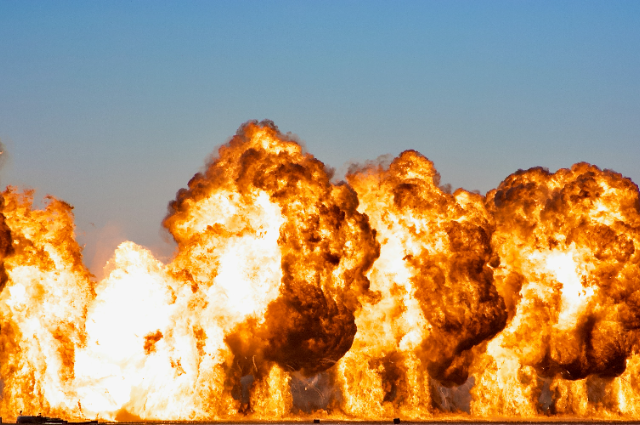
A devastating tragedy struck the city of Quetta, the provincial capital of Pakistan’s restive Balochistan province. A high-intensity explosion tore through a railway line, leaving a trail of destruction, taking at least 24 lives, and wounding dozens more. The attack, which specifically targeted a train carrying military personnel and their families, has once again cast a dark shadow over the region, exposing the volatile security situation in Pakistan’s largest but most troubled province.
To comprehend the full scale of this incident, it is essential to look beyond the immediate headlines and analyze the mechanics of the attack, the human toll, the group claiming responsibility, and the deep-rooted geopolitical issues that fuel this ongoing conflict.
How the Attack Unfolded
The incident occurred early in the morning, around 8:00 AM local time, near the Chaman Phatak (crossing) railway area in Quetta. The target was a passenger train identified by officials as a shuttle train connecting to the Peshawar-bound Jaffar Express, which was carrying army servicemen and their families. Many of the passengers were traveling ahead of the upcoming Eid holiday, a time usually reserved for family reunions and celebration.
According to initial investigation reports from security officials, the attack was a highly coordinated suicide bombing executed using a vehicle. An explosive-laden car intentionally rammed into one of the moving train carriages as it passed the railway signal. The vehicle was packed with an estimated 35 kilograms (nearly 77 pounds) of high-grade improvised explosives.
The physics of the blast were devastating. When the vehicle detonated against the moving steel structure of the train, the kinetic energy and blast wave caused immediate catastrophic damage.
First, the immense force of the explosion derailed the locomotive engine and three passenger coaches. Two of these coaches were completely overturned, trapping passengers inside. Second, the blast occurred at a busy crossing where multiple civilian vehicles were queued up waiting for the train to pass. The heat and shockwave caused secondary explosions, detonating gas cylinders inside nearby cars. Finally, there was immense collateral damage. More than ten parked and queuing vehicles were completely incinerated or mangled. The shockwave shattered glass windows, tore down walls, and compromised the structural integrity of residential buildings and shops within a wide radius.
The Immediate Human and Medical Toll
The immediate aftermath of the explosion was a scene of sheer chaos and devastation. Heavy black smoke billowed into the Quetta sky as residents, volunteers, and paramilitary forces rushed to the tracks to pull survivors from the overturned, burning carriages.
At least 24 people were confirmed dead at the scene and in local hospitals, with the death toll expected to rise due to the critical nature of many injuries. Among the deceased were several army servicemen, alongside civilian passengers, including women and children. More than 50 to 70 individuals sustained varying degrees of injuries, ranging from severe shrapnel wounds and severe burns to trauma from flying debris.
In response to the mass casualty event, the provincial government of Balochistan declared a state of emergency across all public hospitals in Quetta. Off-duty doctors, nurses, and laboratory staff were urgently summoned to handle the influx of wounded individuals. Meanwhile, railway authorities suspended incoming and outgoing train services, including halting the Jaffar Express at the main Quetta station, as a precautionary safety measure to secure the tracks against potential secondary attacks.
Who is Behind the Attack?
Shortly after the blast, the Baloch Liberation Army (BLA) claimed responsibility for the operation. In a statement issued by their spokesperson, Jeeyand Baloch, the group described the bombing as a highly organized suicide attack specifically intended to strike the "occupying forces" traveling from the Quetta Cantonment (military base).
The BLA is an ethnic secessionist insurgent group that has been fighting a low-intensity war against the Pakistani state for decades. The group, which is officially designated as a foreign terrorist organization by Pakistan, the United Kingdom, and the United States, operates primarily out of the rugged terrains of Balochistan and neighboring border regions.
A Broadening Cycle of Violence
This railway attack is not an isolated incident; it represents a sharp escalation in the ferocity and tactical sophistication of separatist operations. In recent years, the BLA has shifted from small-scale ambushes and sabotage to high-impact suicide car bombings, coordinated assaults, and complex urban operations.
Furthermore, the timing of this attack coincided with broader security challenges across Pakistan. On the very same day, Pakistani security forces were locked in intense, heavy gun battles with Islamist militants in the northwestern district of Bannu, resulting in the deaths of over 25 militants and several security personnel. This multi-front instability highlights the complex, fragmented security dilemma facing the state, where ethnic separatists operate in the southwest while religious extremists operate along the northwestern borders.
National and Political Reactions
The attack drew swift, unconditional condemnation from the highest levels of leadership in Pakistan. Prime Minister Shehbaz Sharif released a statement branding the bombing a "cowardly act of terrorism" and emphasized that such violence would not shake the nation’s resolve to eliminate militancy.
Balochistan Chief Minister Sarfraz Bugti expressed profound grief over the loss of innocent lives, heavily criticizing the perpetrators for targeting civilians, women, and children under the guise of political rebellion. Bugti vowed that the state would hunt down the planners, facilitators, and financial masterminds behind the attack, declaring an all-out political and security effort to stabilize the region. Following the incident, Interior Minister Mohsin Naqvi flew directly to Quetta to hold high-level security meetings with provincial leadership and review intelligence reports.
Ultimately, the tragic events in Quetta underscore the immense human cost of an enduring, unresolved regional conflict. As long as the deep-seated ethnic, economic, and political grievances remain unaddressed, infrastructure like railways meant to connect people and foster economic growth will, unfortunately, continue to be vulnerable to those seeking separation through violence.
. . .
References: