
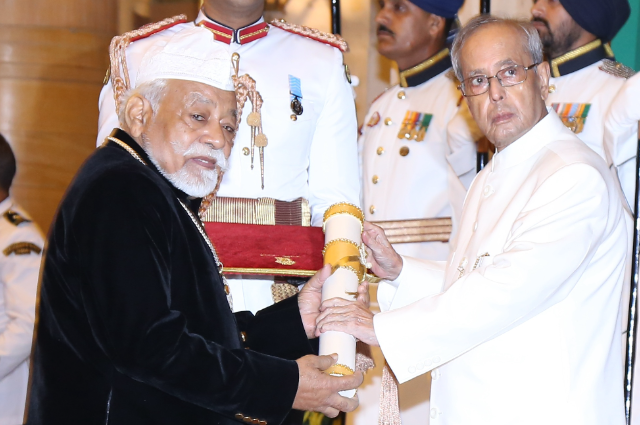
_Padma_Shri_award_from_President_Pranab_Mukherjee.jpg)
When Chef Imtiaz Qureshi died in February 2024 at age 93, India lost more than just a great cook. It lost a man who helped the country remember and celebrate its own food traditions. He received the Padma Shri award in 2016, but his real achievement was much bigger, he changed how India saw its own cooking.
A Chef Who Never Needed to Taste
Here's something amazing that Chef Imtiaz never tasted his food to check the salt, yet it was always perfect. This wasn't magic. After decades of cooking, he simply knew his ingredients that well. His son Ashfaque remembers how his father would come home at dawn with treats - shahi tukda (a sweet bread pudding) and kulfi (Indian ice cream) for his seven children. These weren't just desserts. Each one carried a story and a piece of history. His children grew up learning that food is about more than just eating.
Breaking the Rules to Save Tradition
In 1978, Chef Imtiaz opened a restaurant called Bukhara at ITC Maurya hotel in Delhi. This wasn't just another restaurant, it was a statement. After India became independent from Britain, many upscale restaurants still followed Western rules. Using forks and knives was considered proper. Eating with your hands was seen as rude, even though Indians had always eaten that way. Chef Imtiaz decided to change this. At Bukhara, he encouraged people to eat with their hands. At first, this seemed shocking. Today, it's what makes the restaurant famous around the world. Sometimes, keeping tradition alive means being brave enough to go against what everyone else is doing.
The restaurant also focused on "dum pukht"—a slow-cooking method where heavy pots seal in flavours over low heat for hours. While everyone else was speeding up, Chef Imtiaz slowed down. He knew that great food, like great culture, takes time.
Fooling a Prime Minister (In a Good Way)
One of the best stories about Chef Imtiaz involves Prime Minister Jawaharlal Nehru. The chef was famous for his meat dishes, but former prime minister Shri Nehru didn't eat meat. Instead of just making regular vegetarian food, Chef Imtiaz got creative. He made bottle gourd curry taste like fish curry. He turned jackfruit into a dish that is usually used chicken. He made lotus stem kebabs instead of meat kebabs. These weren't fake versions, they were works of art. He proved that vegetarian food could be just as rich and complex as meat dishes. This showed Chef Imtiaz's real skill. He understood that good cooking isn't just about ingredients, it's about technique and care.
Food as Conversation
"Food should engage all your senses," Chef Imtiaz told his children. "You need to talk to the dish while you cook it." He wasn't joking. He believed that cooking should be like meditation for one and the food working together. At home, the family constantly debated about food. If something was wrong, they said so. This wasn't mean—it was about everyone caring deeply about getting things right. This honesty and love for excellence became the foundation of the family's success.
The Qureshi family also ran a meat business, which gave them extra knowledge. Understanding how meat works, which cuts to use, and how to prepare them perfectly made their cooking even better.
A Growing Legacy
Today, the Qureshi family runs restaurants in Delhi, Gurgaon, and other Indian cities, plus international locations in Doha, Kuala Lumpur, and Muscat. Each restaurant follows Chef Imtiaz's principles about keeping the dum pukht tradition alive and treating Awadhi cuisine with respect. But his biggest lesson wasn't about cooking, it was about taking risks. "Don't worry too much about results," he told his children. "Dare to be bold." He knew that to create something great, you have to be willing to fail. His amazing dishes came from courage, not caution.
Why It Still Matters
Chef Ranveer Brar, now a famous chef himself, used to save his salary just to eat Chef Qureshi's kebabs. Queen Elizabeth II, President APJ Abdul Kalam, and Prime Ministers Lal Bahadur Shastri and Jawaharlal Nehru all ate his food. They came not because he was famous, but because his food was exceptional.
Today, food trends change constantly. Many restaurants mix different styles, often losing what makes them special. Chef Imtiaz Qureshi's story shows a different way. He proved that honoring tradition doesn't mean you can't be creative. It means understanding the old ways deeply enough to build something new that still has soul. He believed that the best food tells stories about places, people, and traditions worth remembering.
Remembering the Master
His son Ashfaque continues the family tradition today. But he's carrying more than just recipes. He remembers a father who brought home sweets for his children every morning, who saw cooking as a conversation, and who believed India's food heritage was worth protecting. In every restaurant touched by his influence, each kebab, each dal, each naan bread is both old and new, a reminder of the master chef who taught us that food, at its best, helps us remember who we are.
. . .
References: