
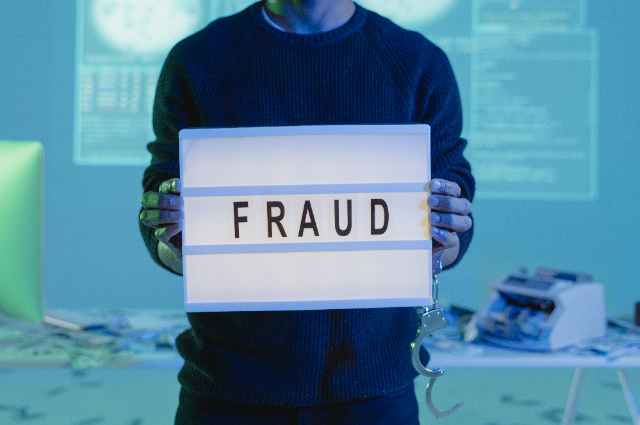
The investigative breakthrough in Rajkot, Gujarat, has uncovered a staggering ₹2,500 crore cyber fraud, sending shockwaves through the financial sector. This case is not just another digital scam; it is a shocking reminder of how the very systems designed to protect our money can be manipulated from within. The arrest of three private bank officials including branch managers and a personal manager marks a turning point in the police's "Operation Mule Hunt," highlighting a dangerous alliance between white-collar employees and cybercriminals.
The Inside Threat: How the System Was Compromised?
At the heart of this massive operation was the exploitation of "mule accounts." Traditionally, cybercriminals trick unsuspecting individuals into letting them use their bank accounts to move stolen money. However, in this case, the criminals didn't just trick outsiders; they recruited insiders.
According to reports, the arrested bank officials allegedly bypassed standard security protocols to open approximately 85 fraudulent accounts. These weren't just random accounts; they were created using forged documents and false identities. One of the most alarming details is that a branch manager reportedly used fake papers under the name of the Agricultural Produce Market Committee (APMC) to make the accounts look legitimate and avoid raising red flags. By using the names of reputable organizations, the gang managed to move massive sums of money without triggering the bank’s internal fraud detection systems.
Breaking the Shield of Trust
For most of us, a bank is a fortress of safety. We trust that our data is secure and that any unusual activity will be reported to us immediately. This fraud, however, was designed to break that shield. One of the personal managers involved allegedly disabled mobile message alerts for these specific accounts. This meant that the real owners or the bank’s central monitoring team would not receive notifications about the huge transactions happening in real-time.
Once the money is totaling an estimated ₹2,500 crore is landed in these accounts, it didn't stay there for long. It was quickly withdrawn as cash or funnelled through "hawala" networks (illegal money transfer systems) to keep it out of the reach of Indian authorities.
Operation Mule Hunt: The Police Crackdown
The scale of this crime came to light through the persistent efforts of the Rajkot police under "Operation Mule Hunt." What began as an investigation into a few suspicious transactions soon ballooned into a national-level scandal. To date, 20 individuals have been arrested, including the key bank officials who served as the "gatekeepers" for the scam.
The investigation revealed that over 535 complaints had been filed on the national cybercrime portal linked to these specific bank accounts. This shows that the ₹2,500 crore was likely stolen from hundreds, if not thousands, of ordinary citizens across India through various digital scams, such as investment fraud, fake job offers, or phishing.
Why This Matters for the Future
This incident is an editorial "wake-up call" for the banking industry. When senior managers and staff are lured into crime by the promise of commissions, the traditional layers of security (like KYC or "Know Your Customer" rules) become useless. It suggests that banks need to move beyond just monitoring customer behaviour and start implementing stricter internal audits and AI-driven systems to monitor the actions of their own employees.
For the public, this case serves as a reminder to be extremely cautious. The money flowing through these 85 accounts came from victims who thought they were making safe investments or paying for legitimate services. If an offer seems too good to be true, it likely is.
The Breakdown of Roles
The arrests included specific individuals with specific roles in the operation. Maulik Kamani, a personal manager at Yes Bank, allegedly facilitated the opening and management of these suspicious accounts and helped bypass alerts. Kalpesh Dangariya, a manager at Axis Bank, and Anurag Baldha, a personal banker with HDFC Bank, were also implicated. It was noted that Dangariya and Baldha had previously worked at Yes Bank, suggesting a network that spanned multiple institutions. Their expertise was used to structure documents, including the aforementioned APMC papers, to prevent transactions from being flagged.
Looking Ahead
The Rajkot cyber fraud case is a stark example of the evolving face of crime. It is no longer just about hackers in dark rooms; it is about the corruption of professional roles. As "Operation Mule Hunt" continues, it is expected that more accounts and more accomplices will be uncovered. For now, the focus remains on tracing the money trail and ensuring that those who abused their positions of trust are held accountable.
The safety of our digital economy depends not just on technology, but on the integrity of the people behind the desk. When that integrity fails, the cost as we have seen can be billions. The total amount involved has jumped from an initial estimate of ₹1,500 crore to ₹2,500 crore as the investigation has deepened, highlighting just how widespread the damage actually is.
A Call for Systematic Reform
The scale of this fraud necessitates a re-evaluation of how banks operate internally. When the very people responsible for verification are the ones forging the documents, the system has a fundamental flaw. Moving forward, there may be a push for more decentralized verification or the use of blockchain technology to create unalterable logs of account creation and transaction alerts. This would prevent a single individual from being able to "mute" the system's security features.
In conclusion, the Rajkot case is more than a news headline; it's a lesson in the vulnerabilities of trust. While digital banking offers unparalleled convenience, it also requires a new level of institutional and personal vigilance. By understanding how these frauds operate through the eyes of the "mule hunt" investigators, we can better protect ourselves and demand higher standards from the institutions where we keep our life savings.
. . .
References: