
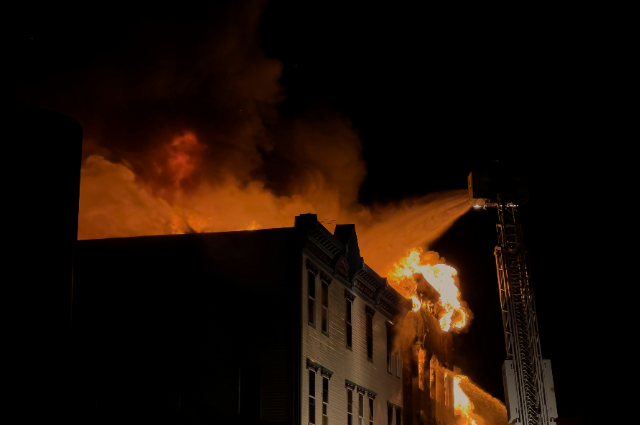
On the afternoon of April 14, 2026, the industrial silence of Singhitarai village in Chhattisgarh was shattered by a sound that residents described as a "deafening thunderclaps." In an instant, the Vedanta Limited power plant was transformed from a hub of energy production into a site of unimaginable horror. As the dust settles and the death toll has tragically climbed to 23, the incident has evolved from a local accident into a national conversation about corporate accountability, worker safety, and the true cost of industrial expansion.
The Anatomy of a Disaster
The tragedy unfolded at approximately 2:33 p.m. inside Unit 1 of the 1,200 MW thermal facility. Preliminary technical findings from the Chief Boiler Inspector and the Forensic Science Laboratory (FSL) suggest a catastrophic sequence of failures. The core issue appears to have been an "excessive accumulation of fuel" within the boiler furnace. This buildup created a massive, uncontrollable surge in pressure.
As the internal pressure reached critical levels, a steel delivery tube responsible for carrying superheated steam from the boiler to the turbine simply could not hold. The pipe burst with such violence that it was physically displaced from its designated mounting. What followed was a wave of high-pressure steam, reaching temperatures as high as 600 degrees Celsius, which swept through the work area. Many of the victims were maintenance workers and painters from sub-contracting firms who had no warning and no way to escape the scalding clouds.
A Toll That Transcends Borders
The tragedy is not just a statistic for Chhattisgarh; it is a loss felt across the country. The 23 workers who have succumbed to their injuries so far, many with burns covering 90% of their bodies, represent the backbone of India’s migrant labour force. The list of the deceased includes men from West Bengal, Bihar, Jharkhand, Uttar Pradesh, and Madhya Pradesh, alongside local workers.
For many of these families, the victims were the sole breadwinners who had travelled hundreds of miles to the Sakti district for work. Their deaths leave a void that financial compensation, however significant, can never truly fill. While Vedanta has pledged up to ₹35 lakh in compensation and the government has announced ex-gratia payments, the human cost remains the most staggering aspect of this event.
The Question of Negligence
As the investigation deepens, the focus has shifted towards operational standards. The facility in Singhitarai had reportedly been dormant for nearly eleven years before being recommissioned just last year. This long period of inactivity has led experts to wonder if the equipment had undergone the rigorous safety audits required for such a high-pressure environment.
The Chhattisgarh Police have been swift in their legal response. An FIR (First Information Report) was registered at the Dabhra police station naming several high-ranking individuals, including Vedanta Group Chairman Anil Agarwal and plant manager Devendra Patel. The charges, filed under the Bharatiya Nyaya Sanhita (BNS), include:
- Section 106: Causing death by negligence.
- Section 289: Negligent conduct with respect to machinery.
- Section 3(5): Common intention.
While some industry leaders have expressed concern over naming top-tier executives in an FIR before a full forensic trial, labour unions and political opposition leaders have been vocal in their criticism. They argue that if a system allows "excessive fuel accumulation" to go unnoticed by automated sensors or manual checks, it represents a systemic failure of management rather than a simple mechanical glitch.
The Editorial View: Beyond the Statistics
This incident is a grim reminder that in the rush to meet India's growing energy demands, safety cannot be treated as a secondary priority. Chhattisgarh is home to nearly 1,000 factories classified as "hazardous," and with 300 industrial deaths reported in the state over the last three years, the Singhitarai blast feels like a symptom of a larger, more dangerous trend.
Industrial safety in high-pressure environments like thermal plants relies on a "defense-in-depth" strategy with multiple layers of sensors, relief valves, and human oversight. When a boiler tube bursts because of a pressure surge that was allowed to build up, it suggests that multiple layers of this defense failed simultaneously. Whether this was due to a lack of maintenance, a failure to train staff on the newly restarted equipment, or a push for production over safety, the investigation must be transparent and absolute.
Moving Forward: A Path to Prevention
The tragedy in Singhitarai must serve as a turning point for industrial regulation in India. There are three critical areas that require immediate attention:
- Rigorous Recommissioning Protocols: Any plant that has been idle for more than a decade must undergo third-party safety audits that go beyond standard government inspections before it is allowed to resume operations.
- Continuous Monitoring: We must move away from "periodic" inspections toward real-time digital monitoring of boiler pressure and fuel levels, where data is shared directly with state industrial safety departments.
- Empowering the Workforce: Workers must be trained not just to operate the machines, but to recognize the early signs of a pressure imbalance and have the authority to trigger an emergency shutdown without fear of professional reprisal.
As Chhattisgarh mourns the loss of 23 lives, the goal must be to ensure that "negligence" is removed from the industrial vocabulary. The workers who keep our country powered deserve the peace of mind that when they go to work, they will return home at the end of their shift. Anything less is a failure of our collective responsibility.
. . .
References: