
On 11 March 2026, the Supreme Court of India delivered a judgment that quietly changed how the country thinks about life, dignity, and the difficult choices families sometimes have to make. For the first time, the court allowed a family to withdraw life-sustaining medical support from a loved one who had been in a permanent vegetative state for many years. At the centre of the case was Harish Rana, a young engineering student whose life had been frozen in time.
A Life Interrupted
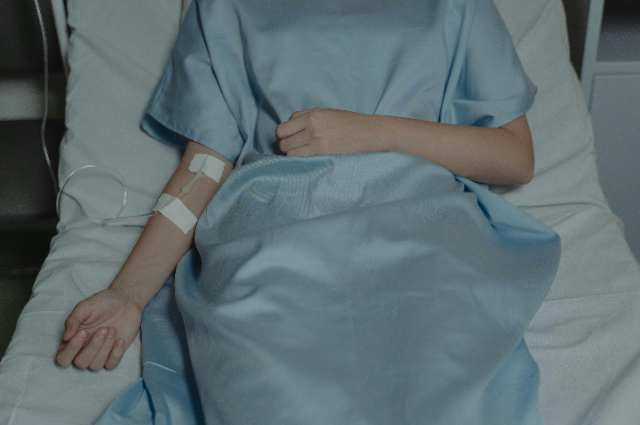
In August 2013, Harish Rana was a 19-year-old B.Tech student studying at Panjab University. One day, he fell from the fourth floor of a building. The accident caused severe brain damage. Although doctors managed to keep his body alive, he never regained consciousness in a meaningful way. For more than thirteen years, Rana remained in what doctors call a permanent vegetative state. He could not speak, respond, or recognise his family. His parents sat beside him for years, watching the machines and tubes that kept his body functioning. His heart beat, and his lungs worked, but he had no awareness of the world around him. During those years, his parents faced a painful question that were they helping their son live, or simply prolonging his suffering?
Eventually, they approached the courts asking for permission to withdraw the medical support that was artificially keeping him alive. This request was not made out of neglect or lack of love. In fact, it came from the opposite feeling of the belief that their son deserved dignity rather than endless medical intervention without hope of recovery.
What does passive euthanasia mean?
The term “euthanasia” often creates fear or misunderstanding, so it is important to explain it clearly. There are two different ideas behind the term. Active euthanasia means directly causing someone’s death by administering a substance or medication. This form of euthanasia is illegal in India. Passive euthanasia, on the other hand, does not involve actively ending life. Instead, it means stopping medical treatment that artificially keeps a person alive when recovery is impossible. In such situations, doctors simply allow the natural process of death to occur.
In Rana’s case, the treatment being discussed was something called Clinically Assisted Nutrition and Hydration (CANH) — food and water delivered through a tube inserted into the body. According to the court, this type of feeding counts as medical treatment rather than ordinary care. Because it is a medical intervention, it can legally be withdrawn in certain circumstances. Doctors examining Rana explained the situation in simple terms. They said that the treatment was not improving his condition or bringing him closer to recovery. Instead, it was only delaying the moment when his body would naturally stop functioning. In other words, the treatment was not giving him life but only postponing death.
The Legal Background
This judgment did not appear suddenly. It was built on an earlier decision by the Supreme Court in the Common Cause v. Union of India case. In 2018, the court ruled that the right to die with dignity is part of the fundamental right to life under Article 21 of the Constitution of India. The judgment allowed passive euthanasia and recognised the idea of a living will, a document in which a person can state their wishes about medical treatment if they become incapable of speaking for themselves.
However, even though the guidelines existed, they were rarely used in practice. Hospitals and families found the process complicated and uncertain. For years, no case actually implemented the ruling in a real situation. The Rana case changed that.
The Earlier Court Decision
Before reaching the Supreme Court, the matter had been heard by the Delhi High Court in 2024. The High Court rejected the family’s request. It took a strict interpretation of the earlier guidelines and said that passive euthanasia could only apply if a patient had a terminal illness and depended on mechanical ventilation. Rana did not meet that definition. Although he had no consciousness and no chance of recovery, he could breathe without a ventilator. Because of this technical reason, the High Court refused permission.
When the case reached the Supreme Court, the judges disagreed with that narrow interpretation. They explained that someone permanently trapped in a vegetative state with no hope of improvement should not be forced to remain in that condition indefinitely. The court made it clear that dignity and compassion must guide the law, not rigid definitions.
The Problem of Consent
Another difficult issue in the case was consent. Rana could not express his wishes because of his medical condition. He also did not have a living will stating what he would have wanted. To deal with this problem, the court relied on medical expertise and careful legal safeguards.
Two independent medical boards, including doctors from the All India Institute of Medical Sciences, had examined Rana. They confirmed that he was in an irreversible vegetative state and that there was no possibility of recovery. After reviewing the medical reports, the court applied what is called the “best interests” test. Instead of asking whether death would benefit Rana, the court asked a simpler question that does continuing treatment serve any real purpose for him?
The medical boards, along with his family, agreed that it did not. Because of this conclusion, the court permitted the withdrawal of the feeding support. It also ordered that the procedure be carried out carefully at the comfort care unit of AIIMS so that Rana’s dignity would be respected during the process.
The Human Story Behind the Law
Although the judgment has legal importance, the real story is deeply human. For thirteen years, Rana’s parents lived between hope and reality. They watched their son’s body continue to exist while the person they knew was no longer there. Their request to withdraw life support was not about giving up. It was about recognising the limits of medicine and choosing dignity over endless suffering.
His father described the decision as one of the most difficult choices any parent could make. The court recognised that reality. By allowing passive euthanasia in this case, it acknowledged that compassion sometimes means letting go rather than holding on.
. . .
References: