
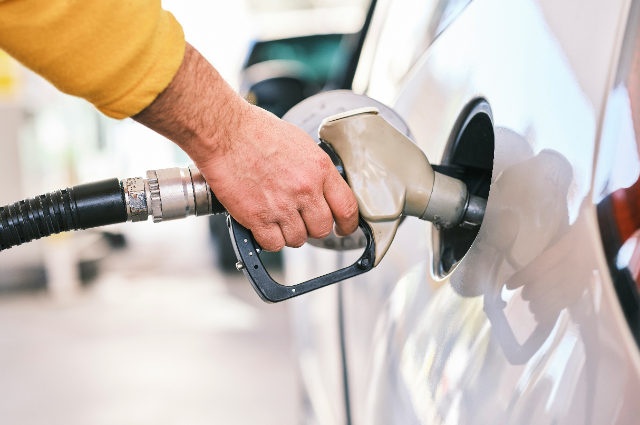
After a long period of stability, India has witnessed a sudden increase of Rs 3 per litre in both petrol and diesel prices. This comes after nearly 49 months of unchanged rates, making it a significant move that has caught the attention of consumers, economists, and policymakers alike. While this might seem like just a small number, its ripple effects are expected to touch various aspects of daily life, from transportation costs to the prices of essential goods. Let's explore why this hike happened, how it affects everyday people, and what it might mean for the future.
Why Did Fuel Prices Increase Now?
Fuel prices in India are influenced by multiple factors, including global crude oil rates, currency exchange rates, government taxes, and domestic demand. Over the past few years, the government maintained stable prices despite fluctuations in the global oil market by adjusting taxes and subsidies. However, recent changes in the international oil market, including rising crude prices due to geopolitical tensions and supply constraints, have pushed costs higher.
Additionally, the Indian Rupee's value against the US Dollar plays a role. When the Rupee weakens, importing oil becomes more expensive, adding pressure on domestic fuel pricing. Given these factors, the government decided to increase the price by Rs 3 per litre, signaling a shift from the previous policy of price stability.
How Will This Affect Households?
Fuel is not just a commodity; it is a backbone for many sectors. Transportation services, which rely on petrol or diesel, will see increased operational costs. This means that goods transported over long distances, such as food, groceries, and daily essentials, may become more expensive. Households, especially those with limited income, may find their budgets stretched as they face higher fuel bills and increased prices for other basic items.
For many city dwellers who commute daily using personal vehicles or public transport, the immediate impact will be a noticeable increase in monthly expenses. Rural areas, where transportation is crucial for agricultural produce and access to markets, may also feel the pinch, as costs of farming inputs and transport rise.
What Are the Broader Economic Implications?
A rise in fuel prices often leads to a chain reaction in the economy. Inflation, or the general increase in prices, tends to go up as transportation and manufacturing costs increase. This can reduce the purchasing power of consumers, slowing down overall economic growth if wages do not keep pace.
On the other hand, higher fuel prices can encourage energy conservation and push consumers and businesses to look for more fuel-efficient alternatives or renewable energy sources. This shift could have long-term benefits for the environment and energy security.
Is the Pain Just Beginning?
The Rs 3 per litre hike could be just the starting point. Experts warn that fuel prices might continue to rise if global oil prices remain high or if currency fluctuations worsen. The government faces a delicate balance between managing inflation, ensuring adequate tax revenue, and protecting consumers from sudden shocks.
For now, consumers are advised to prepare for gradual increases in their daily expenses. It is also a reminder of the importance of reducing dependency on fossil fuels and investing in sustainable energy alternatives.
Looking Ahead
The recent fuel price hike highlights the interconnectedness of global markets and local economies. While it brings immediate challenges, it also offers an opportunity for India to rethink its energy policies and focus on resilience and sustainability. For households, careful budgeting and exploring fuel-saving measures will be crucial. Policymakers must work towards cushioning vulnerable sections while encouraging long-term solutions that reduce the impact of such fluctuations.
In conclusion, the Rs 3 increase in petrol and diesel prices marks an important moment for the Indian economy and its people. It is a complex issue with no easy answers, but understanding the causes and consequences can help us navigate the road ahead more wisely.
A Challenge with No Easy Solutions
The recent increase of ₹3 per litre in fuel prices highlights the complex mix of global and domestic factors that influence India’s economy. While such a hike may be necessary from both fiscal and market perspectives, it creates immediate challenges for consumers and businesses.
For households, the rise directly impacts monthly budgets and often leads to higher prices for essential goods. From an economic standpoint, it can contribute to inflationary pressures, potentially affecting overall growth. At the same time, this situation underscores the urgent need for India to accelerate its transition to sustainable energy and reduce its dependence on imported oil. Addressing this challenge requires cooperation between the government, industry, and citizens. Through thoughtful policies and responsible individual actions, India can turn this difficulty into an opportunity to build a more resilient and sustainable energy future. Understanding the broader factors behind fuel price changes helps us better appreciate why such decisions are made and how we can adapt to them wisely.
. . .
References: