
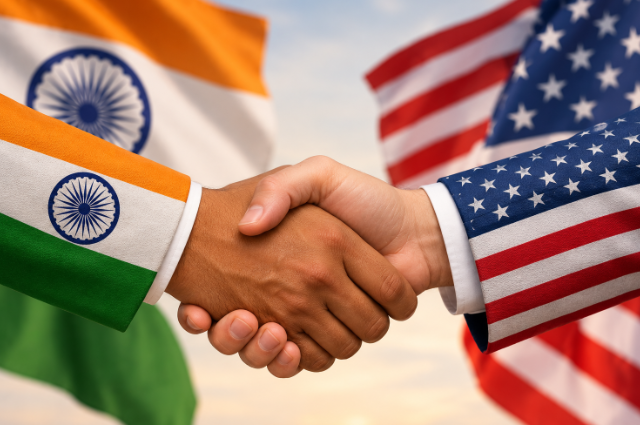
A proposed 100% US tariff on Indian goods could turn pressure on Russia into a wider trade fight with India. US lawmakers want to punish countries that keep buying Russian energy, while India remains one of Moscow's biggest crude customers.
The measure is not an active tariff. The Senate passed the Lindsey O. Graham Sanctioning Russia and Iran Act of 2026 by 86-11, but the House still must act. House amendments could change the bill before it reaches President Donald Trump. The central questions are clear of Why has India become a target? What would a 100% duty cover? How could it affect oil prices, Indian exporters, US consumers, and India-US relations?
US Russia Sanctions Bill and India: The legal status behind the headline
The Senate bill aims to increase pressure on Russia and Iran through sanctions on financial activity, trade, energy sales, and other strategic links. Its most disputed feature is Section 113, which could give the US president power to impose secondary tariffs on countries that continue major trade with Russia. Democratic Representative Gregory Meeks has proposed removing Section 113. A separate amendment would allow the president to waive sanctions against a foreign person for 90 days, with renewals, when the waiver is vital to US national security.
Why the 100% tariff is not active
The Senate vote did not impose a tariff on India. The House must pass the bill, and any differences between the Senate and House versions may need a final agreement. The president would then have to sign the legislation unless Congress overrides a veto.
The final text would decide whether the duty covers all Indian goods or selected products and firms. It would also set the rate, start date, exemptions, waiver powers, and any sunset clause. Until those steps are complete, Indian exports do not face a new 100% duty under this bill.
Legal challenges could follow. Companies or governments could question the president's authority, the use of emergency trade powers, the meaning of national security, or the measure's fit with World Trade Organization rules. The result would depend on the final statute and the authority used to enforce it.
India’s Russian oil purchases explain the US pressure : How Russian crude changed India’s import mix?
Before Russia invaded Ukraine, Russian crude made up roughly 1% to 2% of India's oil imports. Discounts, available shipping, refinery demand, and changes in global supply pushed that share to about one-third or more in later years, according to figures cited by India's petroleum ministry, international energy agencies, and market trackers.
Russia became India's largest crude supplier after Western countries restricted Russian oil and introduced a price-cap system. Indian refiners could buy cargoes at lower prices, process them in domestic plants, and sell some refined products in overseas markets, subject to applicable rules.
Buying crude, refining it in India, and exporting fuel are separate transactions. Country-of-origin rules, shipping records, insurance, payment channels, and sanctions guidance can affect how each transaction is treated.
How would the tariff raise costs?
The US importer normally pays customs duty at the border. That importer may then seek lower prices from the Indian supplier, raise retail prices, switch suppliers, or split the cost with distributors and consumers.
A 100% duty could double the customs value of covered goods before freight, insurance, and local selling costs. Companies might renegotiate contracts, delay shipments, reduce stock, or shift production. The final effect would depend on product demand, exemptions, exchange rates, supply gaps, and how long the tariff remains.
Indian exporters could lose revenue, jobs, and foreign-exchange earnings. US buyers could face higher prices or weaker supply, while financial markets might react to reduced Indian export growth and fresh uncertainty over trade talks. The phrase "up to 100%" leaves room for presidential discretion. A final law could set a lower starting rate, allow national-security waivers, or limit duties to certain goods linked to countries buying Russian energy.
Trade and oil data will show the impact
Monthly US customs figures will show whether imports from India fall and whether orders move to rival suppliers. India’s petroleum ministry, customs data, and energy agencies will show changes in Russian crude volumes and India's overall import mix.
Companies should also watch refinery margins, freight prices, the rupee, export orders, and earnings from exposed sectors. Firms with Russia-linked supply chains should review product classifications, origin rules, payment routes, insurance, and contract clauses before changing shipments.
Conclusion
The proposed 100% tariff is part of a wider US effort to reduce Russia's commercial links with third countries. It is not yet an active duty on Indian goods. The Senate has passed the sanctions bill, but House action, final wording, presidential approval, and agency rules still stand between the proposal and enforcement.
India wants affordable energy and room to make independent foreign-policy choices. The United States wants to reduce Russian revenue and increase the cost of supporting Moscow's trade network. The next decisive signals will come from the final legislative text, presidential action, US customs guidance, India's response, and actual changes in India-US trade data.
References
. . .