
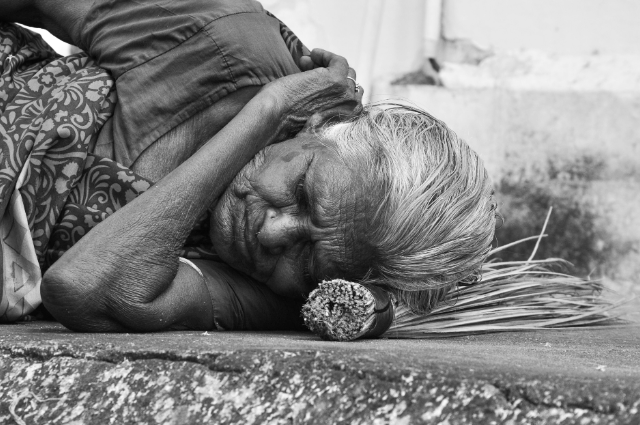
In the quiet, pre-dawn hours of Thursday, May 28, 2026, a deeply disturbing scene unfolded along the bustling 100-Feet Road in Velachery, Chennai. Around 4:00 AM, early morning commuters and passersby noticed a 61-year-old woman walking near a petrol bunk. She was visibly injured, with blood stains tracking down her legs. When compassionate citizens approached her to offer help, she was unable to give a coherent account of what had transpired. Recognizing the severity of her state, the citizens immediately dialed the 108 ambulance service and alerted the local police control room.
Subsequent medical examinations delivered a harrowing confirmation that the elderly woman, who lives with an intellectual disability and experienced homelessness, had been brutally gang-raped.
Swift police intervention, aided heavily by urban surveillance infrastructure, led to the arrest of two migrant workers within less than twenty-four hours. The suspects, identified as Mohammed Muthab (26) and Mohammed Atheel (23), both hailing from Bihar, were employed at separate local eateries in the Velachery area. While the swift arrests bring a semblance of procedural justice, the incident itself exposes a dark intersection of vulnerabilities within modern urban landscapes where old age, gender, homelessness, and disability converge to create a state of extreme peril.
Anatomy of the Crime
The timeline reconstructed by the Velachery police paints a grim picture of opportunistic violence. The survivor had previously left her family and was known to reside exposed to the elements around the Velachery Bus Stand. Shortly after midnight on Thursday, she was walking along the 100-foot road. According to police reports, she was intercepted by men riding a bike taxi.
Exploiting her isolation and inability to defend herself or call for immediate help, the perpetrators forcibly took her to a secluded, unlit area near a Chennai Corporation park. It was within this dark pocket of the neighbourhood that the sexual assault took place. Following the assault, the perpetrators fled the scene, leaving the bleeding and disoriented woman to wander back onto the main road, where she was eventually discovered hours later.
When patrol officers initially arrived, the survivor’s cognitive disabilities prevented her from providing details or descriptions of the attackers. She was immediately rushed to the Saidapet Government Hospital for stabilization before being transferred to the Government Kasturba Gandhi Hospital for Women and Children in Egmore for specialized forensic examination and comprehensive medical care.
The Role of Technology in Swift Enforcement
With a survivor unable to testify or provide immediate leads, the investigation relied entirely on modern urban policing tools. A special team formed under the Velachery police jurisdiction launched an exhaustive review of CCTV networks lining the 100-Feet Road corridor and surrounding commercial establishments.
By cross-referencing the timing of the encounter provided by preliminary medical estimates and the initial sightings by passersby, investigators isolated footage showing a bike taxi operating suspiciously in the area past midnight. The digital footprints left on the cameras allowed the police to track the vehicle's movements, identify the individuals involved, and pinpoint their whereabouts.
By Thursday afternoon, the police detained Muthab and Atheel. A 15-year-old minor, also from Bihar, was initially taken into custody for questioning; however, thorough interrogation and a review of the digital evidence ruled out his involvement, and he was subsequently released. The two primary accused have been booked under relevant sections of the Indian Penal Code (and the Bharatiya Nyaya Sanhita, depending on jurisdictional transitions) governing gang rape and atrocities against vulnerable populations.
The Societal Context of Migrant Labor
The arrest of two migrant workers from Bihar also touches upon a sensitive socio-economic dynamic in Tamil Nadu's urban centers. Cities like Chennai rely heavily on a vast, informal workforce traveling from states like Bihar, Uttar Pradesh, and West Bengal to sustain their booming hospitality, construction, and manufacturing sectors.
While the vast majority of migrant laborers migrate purely for economic survival and integrate peacefully into the city's fabric, incidents of grave criminality by individuals within these communities risk sparking xenophobic rhetoric or generalized profiling. Security experts emphasize that the focus must remain squarely on structural solutions such as mandatory background verification of staff by commercial employers, better mapping of informal worker housing, and institutional sensitization rather than defaming entire demographic groups who contribute heavily to the local economy.
Moving Forward: Reimagining Protection
The Velachery tragedy serves as an urgent wake-up call for municipal authorities, law enforcement, and civil society. True urban safety cannot merely be reactive, measured by how quickly a camera helps catch a criminal after a life has been shattered. It must be preventive and deeply empathetic to those most at risk. Reimagining a safer city requires a multi-pronged approach:
- Enhanced Dynamic Lighting: Secluded spots adjacent to public parks and transport hubs must be targeted with high-intensity, sensor-driven lighting to eliminate dark zones.
- Specialized Social Safety Networks: There is a glaring need for localized, state-run shelters and outreach programs tailored specifically for elderly and mentally challenged individuals experiencing homelessness, ensuring they are not left to sleep in highly vulnerable transit points like bus stands.
- Active Community Patrols: Strengthening nighttime police patrols, particularly in areas identified as isolated commercial corridors, acts as a powerful deterrent to opportunistic predators.
The citizens of Velachery who stopped, questioned, and called the authorities at 4:00 AM demonstrated the vital power of community vigilance. It is that same vigilance, combined with robust structural changes from city planners, that must be leveraged to ensure that Chennai’s streets do not abandon their most defenseless residents to the shadows.
. . .
References: