
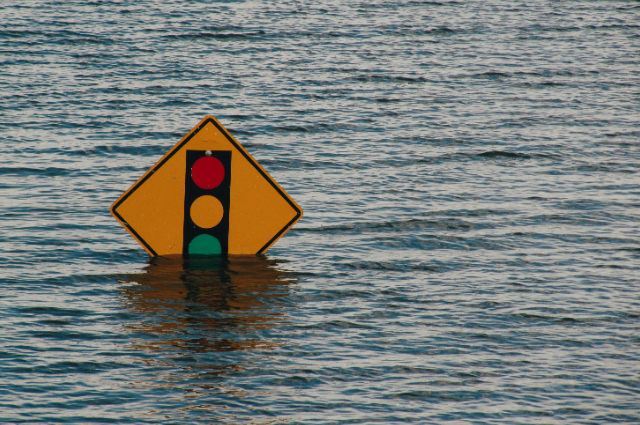
The images emerging from Southeast Asia tell a story that has become tragically familiar yet no less devastating as the entire villages are submerged, families gathered together in emergency shelters, rescue workers digging through mud and debris searching for the missing. The recent monsoon floods that have destroyed Indonesia, Thailand, and Sri Lanka represent more than a natural disaster they are a stark reminder of our collective vulnerability in an era of climate instability.
The Human Toll: Numbers That Cannot Capture Suffering
The statistics are overwhelming. Over 1,100 lives lost across three nations. More than 1,200 people are still missing. Hundreds of thousands are displaced from their homes, seeking refuge in temporary shelters. But behind each number is a human story, a family torn apart, a livelihood destroyed, a community forever changed.
Indonesia has borne the heaviest burden with at least 604 deaths reported, predominantly in the Sumatra region. North Sumatra, West Sumatra, and other provinces have been particularly devastated, with 464 people still unaccounted for. The disaster has displaced nearly 291,000 individuals, forcing them to abandon homes that in many cases no longer exist.
Sri Lanka's casualties stand at 366 deaths, with 367 people missing and approximately 218,000 residents taking shelter in temporary facilities. The tea-growing central hill country has been especially hard-hit, where landslides have transformed familiar landscapes into scenes of destruction. Thailand reports 176 fatalities with severe flooding affecting over 3.9 million people across more than 1.5 million households in the southern provinces.
The Structure of Disaster
Understanding how this catastrophe unfolded reveals the deadly combination of natural forces and human vulnerabilities. The disaster traces its origins to a rare tropical cyclone that swept through the Malacca Strait in late November, unleashing torrential monsoon rains across the region. What began as heavy rainfall quickly escalated into a dropping emergency.
In Indonesia's Sumatra region, the death toll rose with alarming speed from 10 fatalities on November 25 to 28 by November 27, then 174 by November 28, eventually reaching over 600. This rapid escalation reflects both the intensity of the weather event and the challenges inherent in responding to disasters in difficult terrain.
Sumatra's rough mountainous landscape, while beautiful, becomes false during extreme rainfall. Years of deforestation have stripped away the natural defenses that once helped absorb rainfall and stabilise soil. When prolonged monsoons saturate the ground, the stage is set for rapid-onset disasters, flash floods that surge through valleys with little warning, and landslides that can bury entire communities in minutes.
The Response: Heroism Amid Adversity
The scale of rescue operations underscores both the severity of the crisis and the determination to save lives. In this province alone, nine bridges collapsed, cutting vital transportation links and isolating communities. Roads have been washed away, communication lines cut, forcing authorities to deploy helicopters to reach stranded populations and deliver essential supplies.
Indonesian President Prabowo Subianto's visit to the affected provinces on 1st December signalled the government's commitment to recovery. His message was clear that, "We need to confront climate change effectively. Local governments must take a significant role in safeguarding the environment and preparing for the extreme weather conditions that will arise from future climate change."
The president pledged to help rebuild infrastructure and assured survivors they would "not face the burden of this disaster alone." Rescue teams have worked tirelessly to clear 40 kilometres of the Tarutung-Sibolga road, warships have been deployed for coastal support, and emergency shelters continue to house thousands of evacuees.
In Aceh, Governor Muzakir Manaf declared a state of emergency extending until December 11, acknowledging the immense challenges ahead. The Meteorology, Climatology and Geophysics Agency initiated weather modification operations using sodium chloride at three locations, attempting to redirect rain clouds away from flood-affected areas. It is a desperate measure reflecting the ongoing threat of additional rainfall.
Thailand's government has begun distributing compensation payments, starting with 239 million baht for 26,000 affected individuals. Cleanup efforts are underway to restore basic services including water and electricity to communities that have been without them for days.
A Regional Challenge Requiring Collective Action
This is not an isolated incident. The broader Southeast Asian region has experienced over 900 flood-related deaths in recent disasters. Malaysia has conducted mass evacuations due to widespread flooding. Vietnam faces similar threats. The interconnected nature of these events, shared weather systems, transboundary river basins, and similar development challenges, demands regional cooperation.
Effective disaster risk reduction requires investment in multiple areas. Early warning systems can provide crucial time for evacuation. Climate-resilient infrastructure can withstand extreme conditions. Reforestation and sustainable land management can reduce vulnerability. Community education ensures people know how to respond when disaster strikes.
International support and technological cooperation are essential. Countries that have developed expertise in disaster preparedness and climate adaptation can share knowledge and resources. Global solidarity means recognising that climate change is a shared challenge requiring shared solutions.
The Path Forward: Building Resilience
As rescue operations continue and communities begin the long process of recovery, several imperatives emerge. Governments must prioritise dialogue with local stakeholders to develop solutions that balance human needs with environmental protection. Infrastructure must be rebuilt to higher standards that can withstand future disasters. Land-use policies need to reflect environmental realities, protecting forests and avoiding development in high-risk areas.
The hundreds who remain missing represent not just individual tragedies but a collective failure to adequately prepare for the world we now live. Honouring their memory means ensuring that future disasters claim fewer lives, that communities are better protected and that we finally treat climate change with the urgency it demands. The waters will flow, but the lessons must remain.
. . .
References: