
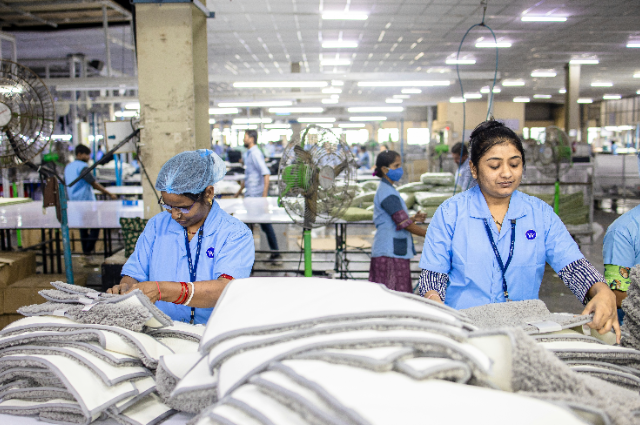
What began as a simple demand for better wages in Noida quickly turned into one of the most serious labour protests in recent times. Thousands of factory workers stepped out, asking for higher pay and improved working conditions. However, the situation escalated rapidly. Vehicles were set on fire, stones were thrown, and public property was damaged.
The protests spread across key industrial areas, disrupting daily life and forcing authorities to intervene. Police action followed, including arrests and crowd control measures. But beneath the visible chaos lay a deeper issue, long-standing frustration among workers.
Why Were Workers Angry?
At the heart of the unrest was a basic concern that workers felt underpaid. Many were already struggling with rising living costs, long hours, and difficult working environments. The situation worsened when workers learned that wages had been increased in nearby regions like Haryana. This created a strong sense of inequality. Workers began questioning why they were not receiving similar benefits. In some cases, differences in pay within the same company added to the anger. Employees felt they were being treated unfairly despite doing similar work. This perception of injustice became a major trigger for the protests.
How did the Protest Spread So Quickly?
One of the most striking aspects of the unrest was its speed. What started in one location quickly spread to multiple industrial zones. Within a short time, thousands of workers had joined. Unlike traditional protests, this movement was not led by unions or formal leadership. It was largely spontaneous. Workers from different factories came together because they shared the same problems. This kind of unorganised mobilisation shows how deeply the issue had affected people. The anger was widespread, and it did not need a formal structure to grow.
When Protests Turn Violent
While the workers’ demands were clear, the protests took a troubling turn. Clashes with the police led to violence. Vehicles were burned, stones were thrown, and several people were injured.
Authorities responded with strict measures, including the use of force and mass arrests. There were also suggestions that some outside elements may have contributed to the violence, though this remains under investigation. The shift from peaceful protest to violence changed the narrative. Attention moved away from workers’ demands to concerns about law and order.
The Government’s Response
In response to the unrest, the government announced an increase in minimum wages. The hike was introduced quickly in an attempt to calm the situation and address workers’ concerns. While this step provided some relief, many workers felt it was not enough. They continued to demand higher wages that would better match their living expenses. This indicates that the issue goes beyond a single wage revision. It reflects deeper dissatisfaction that cannot be solved through short-term measures alone.
Industry Pushback
The wage increase also raised concerns among businesses. Industry groups argued that sudden hikes could increase financial pressure, especially on smaller companies. They warned that higher labour costs might impact hiring and future investment. This highlights the ongoing tension between improving workers’ conditions and maintaining business growth. Balancing these two priorities remains a key challenge.
A Larger Pattern, Not an Isolated Incident
The Noida unrest is not an isolated event. Similar protests have occurred in other industrial areas, driven by the same issues, low wages, rising costs, and poor working conditions. Even after the wage hike, protests continued in some places. This shows that the root causes of the unrest remain unresolved. It points to a larger pattern of dissatisfaction among workers across regions.
The Bigger Question: What Does This Mean for India’s Growth?
Noida is a symbol of India’s industrial and economic growth. But the unrest raises an important question that who is truly benefiting from this growth? If workers feel left behind, the idea of progress itself becomes incomplete. Economic success cannot be measured only by production and expansion. It must also include fair wages and decent living standards. The protests highlight the gap between growth and ground reality.
The Way Forward
The events in Noida make one thing clear, temporary solutions are not enough. While wage hikes may reduce immediate tension, they do not address deeper concerns. There is a need for better communication between workers, employers, and the government. Workers must feel heard, and their concerns should be addressed early. At the same time, protests need to remain peaceful. Violence weakens the cause and shifts focus away from real issues.
The Noida labour unrest is more than just a protest story. It reflects the struggles of workers seeking fairness in a rapidly growing economy. It serves as a reminder that growth without inclusion can lead to unrest. If underlying issues are ignored, they will eventually surface in ways that are difficult to control. The challenge ahead is not just to restore order, but to ensure that such situations do not arise again.
. . .
References: