
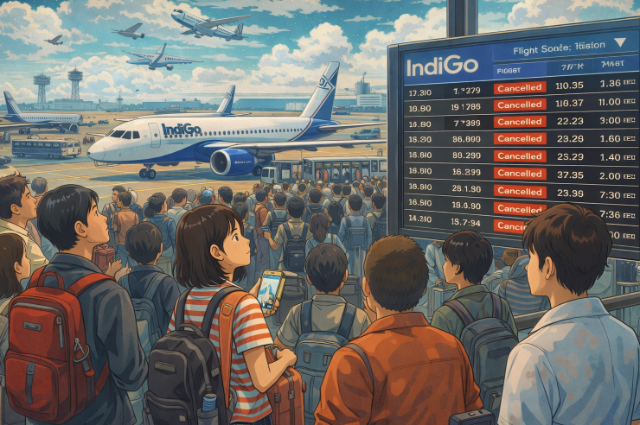
On December 4, 2025, chaos engulfed India’s skies as Indigo Airlines, the nation’s largest low-cost carrier, abruptly cancelled 550 flights across the country. Thousands of passengers found themselves stranded, plans shattered, and travel dreams put on hold without warning. This unprecedented disruption sent shockwaves through the aviation industry and left travellers scrambling for answers. At the heart of this crisis lies the newly implemented FDTL (Flight Duty Time Limit) rules—stringent regulations aimed at pilot working hours—that, while designed to enhance safety, triggered a severe cascade effect crippling one of India's busiest airlines.
Agenda
This article examines the IndiGo Airlines crisis triggered by DGCA's strict Flight Duty Time Limitation (FDTL) rules. Key sections include:
- Gripping introduction to the Dec 4 cancellations.
- Explanation of FDTL regulations and their enforcement.
- Root causes behind Indigo's crew shortages.
- Passenger impacts and airport chaos.
- Regulatory responses and airline actions.
- Broader aviation lessons and opinion on safety vs. service.
What is FDTL?
Flight Duty Time Limitation (FDTL) rules, enforced by India's Directorate General of Civil Aviation (DGCA), cap pilots' flight hours, duty periods, and night operations to minimise fatigue and elevate aviation safety standards. Outlined in Civil Aviation Requirements (CAR) Section 7 Series J Part III, these align with global benchmarks like ICAO norms, regulating flight time, flight duty period (FDP), rest intervals, and cumulative limits over weekly to annual spans.
Stricter November-December Phase
The phased rollout, culminating by November 1, 2025, intensified safeguards: mandatory weekly rest rose from 36 to 48 consecutive hours, night duties (0000-0600 hours) limited to two consecutive shifts with max two landings per duty and weekly, FDP capped at 10 hours and flight time at 8 hours for encroaching nights. Extensions allow up to 1.5 hours of flight or 3 hours of FDP under constraints like 28-day cumulatives (4 flight/8 duty hours max), with compensatory rest doubling or quadrupling overruns, banning split duties in extensions.
Balancing Safety and Efficiency
These updates target fatigue from dense schedules and circadian disruptions, curbing multi-leg nights and enforcing post-duty minimums (12+ hours), while demanding airlines submit fatigue risk reports quarterly. Though sparking crew shortages and cuts like IndiGo's 550+ cancellations, the rules foster safer skies without blanket halts, via tailored exemptions and hiring pushes. Pilots' unions hailed the equity with international carriers, prioritising welfare amid India's air boom.
Why Did Indigo Cancel 550 Flights?
IndiGo, India's largest low-cost carrier operating around 2,300 daily flights, faced acute pilot shortages on December 4, 2025, when full enforcement of stricter FDTL rules left hundreds of crews unavailable due to mandatory 48-hour weekly rests and night duty caps. This triggered over 550 cancellations nationwide—172 at Delhi, 118 at Mumbai, 100 at Bengaluru, and more elsewhere—marking the airline's worst disruption in decades amid its dense winter schedule rollout on October 26.
Aggravating Factors
Technical glitches in Airbus A320 software caused weekend delays, pushing flights past midnight and activating FDTL rest mandates, sidelining pilots for subsequent duties. Air traffic control failures (92 incidents in November), airport congestion, and airspace restrictions compounded the strain, with cabin crew absences from rival recruitment drives adding to the chaos.
Domino Effect
The perfect storm—FDTL's full November 1 implementation demanding roster overhauls, peak winter traffic, and cascading delays—created a vicious cycle: initial glitches bred night overruns, enforcing rests that starved rosters, sparking mass cancellations and further backups. November alone saw 1,232 cuts (755 FDTL-linked), escalating into December's crisis despite DGCA warnings.
Impact on Passengers and Airports
On December 4, 2025, IndiGo's crisis paralyzed major hubs: Delhi saw over 225 cancellations (escalating to all flights by day's end), Mumbai 104 (53 departures, 50 arrivals), Bengaluru 102 (50 departures, 52 arrivals), Hyderabad 92 (49 departures, 43 arrivals), Chennai all flights until 6 PM, Goa 30, and Kolkata with additional cuts amid the 550+ nationwide total. Thousands stranded—potentially tens of thousands across 1,500+ cancellations since early December—faced chaos, with Delhi, Mumbai, and Bengaluru worst hit, sparking unrest, long queues, and social media outrage at counters.
IndiGo's Response
IndiGo offered full refunds processed by December 7 per Civil Aviation Ministry orders, waiving rescheduling fees for rebookings on other airlines or dates, and providing vouchers for meals. Affected passengers received ground transportation and hotel accommodations where feasible, alongside real-time status updates via app, website, and SMS, with CEO Pieter Elbers apologising and targeting normalcy by December 10-15. The airline urged flexibility, noting operational recovery amid scale challenges.
Government and Regulatory Response
The Directorate General of Civil Aviation (DGCA) enforces FDTL rules to curb pilot fatigue, launching a probe into IndiGo's crew misjudgment and planning gaps that fueled the crisis, with a four-member panel tasked to report in 15 days on causes, accountability, and preventive steps. DGCA granted IndiGo one-time exemptions until February 10, 2026, for its A320 fleet—reverting 'night' to midnight-5 AM (from 6 AM), allowing six landings (vs. two), and other crew boosts—while mandating fortnightly progress reports and a 30-day full-compliance roadmap.
Safety vs. Operational Balance
DGCA stresses these relaxations aid stabilisation without diluting safety, appealing to pilots for coordination during peak travel, amid pilot unions' backlash demanding uniform enforcement. The regulator balances fatigue safeguards with feasibility, as IndiGo admitted to underestimating needs post-November 1 Phase 2 rollout.
Path to Stabilisation
Civil Aviation Minister K Rammohan Naidu announced inquiries and measures for normalcy within days, with IndiGo targeting full recovery by February 10, 2026, via reduced schedules from December 8 and hiring. Ongoing reviews ensure FDTL's 'letter and spirit' amid India's aviation surge.
Going Forward: Lessons and Industry Implications
The IndiGo crisis highlights the critical challenge of balancing crew safety through fatigue management and maintaining robust operational capacity in India’s rapidly growing aviation market. Strict FDTL enforcement underscores the undeniable costs airlines face when safety protocols require extensive rest periods, exposing vulnerabilities in crew scheduling and reserve planning. This tension between regulatory compliance and service reliability will continue to shape operational strategies in the coming years.
To better prepare, IndiGo and other carriers are likely to invest in expanded pilot hiring, enhanced roster flexibility, and technology-driven fatigue risk management systems. Strengthening predictive analytics on crew availability and integrating real-time adjustments will be key to mitigating disruptions triggered by sudden rest mandates or seasonal demand peaks. Additionally, cross-training cabin and ground staff to cushion operational shocks may become industry standard.
Opinion and Reader Engagement
Stringent safety regulations like the FDTL rules undeniably prioritise pilot well-being and passenger safety, which are fundamental in an industry where fatigue-related errors can have catastrophic consequences. While these measures led to significant short-term disruptions, including mass flight cancellations and passenger distress, the long-term benefits of safer skies and reduced accident risks justify such temporary inconveniences. However, the situation also reveals a critical need for airlines and regulators to enhance preparedness and coordination to minimise operational fallout when implementing new safety norms.
How do you think the aviation industry should balance the imperative of safety with the demands of passenger convenience and seamless travel? Is there a better way to implement such necessary regulations while avoiding large-scale disruptions? Your thoughts can help shape a more passenger-centric, yet safety-focused aviation future.
Disclaimer
This article draws from publicly available news reports as of December 6, 2025. Facts on flight numbers and FDTL impacts reflect reported data, which may evolve with official investigations. No insider information is used; opinions reflect analysis of events, not legal or aviation expertise. Readers should verify updates from DGCA or IndiGo directly.
References
- https://vajiramandravi.com
- https://www.dgca.gov.in
- https://www.dgca.gov.in
- https://www.jagranjosh.com
- https://www.reuters.com