
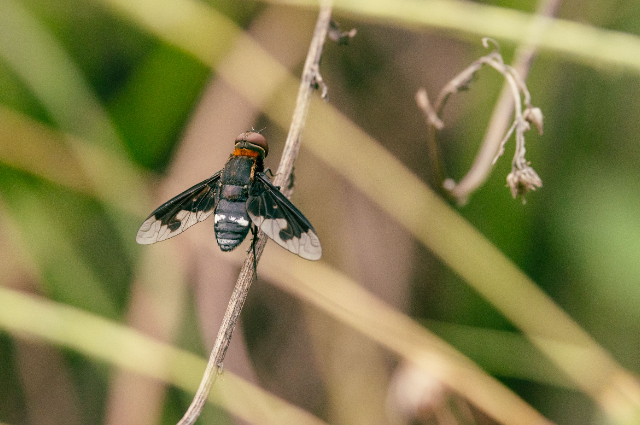
For every symptom we experience- nausea, fever, migraines- we rush to the doctor. We are certain that a solution would be provided. An examination is conducted, questions are asked, medicines are prescribed, and soon our problems are cured. However, what happens when we suffer from a wound that refuses to heal?
This wound is not the result of an infection, but rather that of something active inside, feeding on our living flesh. That is exactly the key characteristic of the New World Screwworm that distinguishes it from other parasites. Unlike normal maggots that usually consume dead tissue, the screwworm larvae feed on living flesh. This makes them distinctly known for their destructive behaviour towards livestock. The U.S. Centres for Disease Control and Prevention (CDC) explains that, "Unlike most fly larvae, New World screwworm larvae feed on the living tissue of warm-blooded animals."
The screwworm has a longstanding history in North America. When it was initially discovered, successful insect control programs were implemented, and the parasite was eventually eradicated. Now, more than 60 years later, this parasite is once again on the move, touring Central America and Mexico.
The comeback of the screwworm is more than an unusual scientific story. It is terrifying as it demonstrates how climate change, environmental degradation, and global movements actually threaten decades of termination achieved through disease control. The screwworm is a setback to the success initially achieved by the insect control programs, showing how environmental degradation may quickly affect millions of people and livestock.
When Eradication is Ephemeral
Humans understand the term eradicate to mean something permanent. We eradicate houses, cities, and even diseases. In general, the permanent removal of an unpleasant substance translates into eradication. However, when it comes to nature, eradication rarely means permanence because the earth can always reproduce.
To interrupt the spread of screwworms, the Sterile Insect Technique was introduced. Starting in the 1950s, scientists began developing one of the most innovative and life-changing pest control programs ever made. They took around a million laboratory-bred male screwworm flies, sterilised them with radiation, and released them into the wild. This was done because female screwworms only mate once during their entire lifetime, and mating with sterile males prevented reproduction. This led to the significant collapse of their population.
Through its slow but steady continuation, this strategy ultimately eliminated the screwworm parasite from the United States, Mexico, and a major part of Central America. Because of its formation, this program has helped protect the livestock industry for more than six decades and has saved billions of dollars in agricultural costs.
However, human eradication doesn’t guarantee permanent effects. It requires regular check-ups, as climate conditions become the pathway for parasites to return and render their extinction ephemeral.
When Climate Change Alters the Map
Climate change has become a constant. Whether its reasons and ramifications are printed on paper, broadcast on television, or posted online, it is something that we are familiar with. And in today’s world, it is necessary to be aware of this phenomenon.
Climate change has numerous downsides. For instance, in relation to screwworms, this phenomenon is not creating new parasites but is changing the map of where existing parasites can survive.
We've all seen the unpredictable nature of the weather. Changing rainfall, rising temperatures, expanding habitats, and shifting ecosystems are all in the news and have contributed to a longer breeding season for screwworms. These changes can make it much easier for parasites and insects to expand into previously inhospitable regions that have become conducive to their survival. Especially since the heat wave has been a major problem and can increase livestock vulnerability.
Climate change also affects migration, grazing patterns, and wound exposure. Dr Coby Schal from NC State University explains how the insects respond quickly to rapidly changing environmental conditions. Parasites are often adaptable to various climate conditions, and these shifts are particularly important for pest distribution.
The screwworm becomes a part of a much larger trend here. It is not just about this particular parasite; it also includes a variety of disease-causing insects that can lead to health issues such as dengue, malaria, Lyme disease, and even tick-borne illnesses.
Their expansion into new regions makes them a greater risk not only to livestock safety but also to human health. This parasite is a simple example, but the larger issue is that uncontrolled climate change is redrawing maps and altering how diseases spread worldwide.
Grazing Grounds: The Indispensable Livestock
Agriculture is the backbone of many countries across the globe. The same is the situation for the United States. When agriculture is affected, it drastically impacts other factors. Most people assume that this screwworm is only harmful to animals. But in reality, its consequences actually extend to a country's well-being and its economy.
The process starts when a female fly lays eggs in open wounds. This could be done on sheep, cattle, goats, horses, even pets and wildlife. And for some time, this may go undetected. The problem starts once the lalarvae hatchbecause they then consume living tissue, causing severe infections that aren't curable immediately. It also leads to rapid weight loss, reduced milk production, and infertility. The worst-case scenario is that it often causes death if it goes untreated or undiagnosed. Statistics also back this up. Livestock outbreaks cost producers hundreds of millions of dollars annually in areas where the parasite remains established.
The United States has already introduced import restrictions and increased surveillance because these outbreaks directly threaten many agricultural practices. They also halt the processes of beef production, dairy farming, international livestock trade, and the leather industry. This means that if livestock productivity is lower, meat prices will rise, supply chain disruptions will worsen, and serious food security concerns will arise. Not to mention, it affects the people who are directly involved in this industry.
Therefore, a tiny fly, which might even go unnoticed by the human eye, can have far-reaching consequences that start from the grazing grounds and reach to the supermarket shelves.
Science Offers a Solution, But With a Ticking Clock
The sterile insect technique was implemented with the rationale that pesticides often poison ecosystems. The government needed a solution that would not destroy the natural habitat but would also eliminate disease-causing insects. Hence, the system only interrupted the reproductive system.
The U.S. Department of Agriculture (USDA) is once again expanding its initial project to produce sterile flies. Now they are building even larger facilities and designing a plan to release around a million sterile flies each week to contain the renewed spread.
Scientists from the USDA have also stressed that early detection remains a crucial factor in defence. Once these parasites become established, eradication becomes difficult and expensive. This is why it is necessary to know the issue at the outset to combat any other obstacles that might come their way. The good thing is that this earlier-designed technology still works, and the government is being proactive in addressing this issue. The only question that remains is: are they proactive enough?
The new world screwworm is frightening because it is a flesh-eating larva. And its return reminds us of a great lesson: scientific victories are rarely permanent. Human eradication of disease or discomfort is not solved at the finish line.
The permanent removal of anything is an ongoing commitment that requires environmental awareness and continuous check-ins. With climate challenges, the greatest threat may not be entirely new diseases, but rather the return of those we believed had already been defeated.
References:
- https://www.cdc.gov/new-world-screwworm/about/index.html
- https://edition.cnn.com
- https://cals.ncsu.edu
- https://time.com
- https://animals.howstuffworks.com
- USDA APHIS. New World Screwworm Information and Response Updates. (Useful for additional figures on sterile fly production and livestock surveillance.)