
Any vacation planned abroad comes with well-researched and timely travel plans. When one decides to embark on a cross-continental adventure, they arrange for various modes of transportation. Yet, a simple bus tour in London changed this narrative.
Imagine boarding a bus with nothing but your luggage, some documents, and excitement for an excursion. This seems impossible in today’s world. Yet, it was a legitimate touring option for adventure enthusiasts and tourists.
Passengers from London didn't fly to access different countries across the globe. They simply travelled 20,000 kilometres entirely by road. This bus service operated in 1957 and 1976. It offered an expansive package to its passengers, comprising 50 days of travel that took tourists around 11 countries, including London, Belgium, Austria, Germany, Yugoslavia, Bulgaria, Turkey, Iran, Pakistan, Afghanistan, and India.
Sounds fictional, doesn't it? Yet, it was a functioning mechanism for almost 20 years. This bus was accessed by thousands of travellers who wished to tour different countries and witness diverse cultures within a pocket-friendly budget.
While the bus showcased a myriad of monuments, cuisines and traditions, it also reflected a deeper allegory. The tour emphasised an era where borders felt more open. Migration was easier and vastly accepted. Overland travel was romanticised, and geopolitical stability made cross-border journeys easier. Travel can be fun and spontaneous. Now, the roadmap is changing; it is restricted by barriers and broken ties.
From The Indiaman to Albert
What was soon recognised as one of the world's most extraordinary transportation affairs has an even more intricate history. This bus service originated in 1957. It earlier operated as the Indianman.
Seeing the success of The Indiaman, the market was flooded with similar tours and soon became saturated, with around 30 operators entering the field. The most famous became Albert Tours.
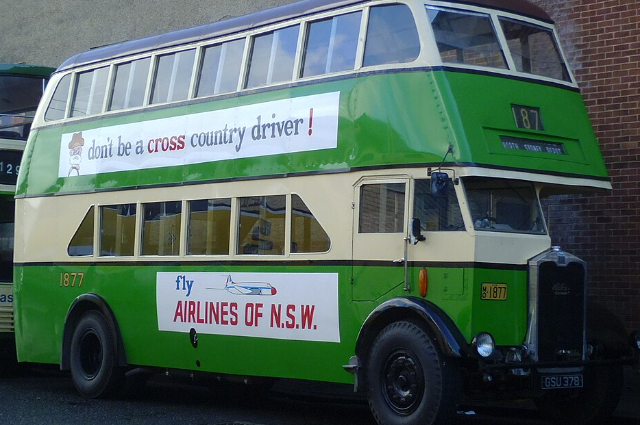
Their tours involved a double-decker bus, which instantly became a huge tourist attraction. Ordinary citizens considered this bus a luxury, as it featured high-end sleeping bunks, reading spaces, and individual luggage storage.
People were immediately drawn to Albert Tours because it offered a variety of packages and complimentary services. With regular food stops at reputable restaurants, personalised cabins, and large viewing windows, passengers received the perfect glimpse of diverse landscapes without compromising comfort.
Albert Tours provided people with comfort, convenience, and endless enjoyment. They even marketed their tour as “the cheapest luxury trip to the East.”
The Hippie Trail
As the news about these bus tours spread, their popularity grew immensely. Young Europeans and Americans saw this as an opportunity to explore hidden gems across the globe, yet their demands differed. They wanted their experiences to be enriching and fresh. In the 1960s and early 1970s, many young tourists began travelling overland rather than taking expensive flights.
This is when the Hippie Trail came into existence. It stretched from Western Europe through Turkey, Iran, Afghanistan, Pakistan, India, and oftentimes even Nepal. Given the diversity of experiences this trail offered, young backpackers embarked on this journey annually.
India soon came to be known as a spiritual destination. With its diverse culture, warm traditions, and hospitality, it turned into the ideal backpacking destination for tourists. Cities such as Goa, Kathmandu, Calcutta, Pushkar, and Delhi became common stops and hubs for tourists. Tommy Wheeler, the founder of Lonely Planet, was also fond of travelling overland through Asia. His journey across several countries, including India, inspired the creation of one of the world's largest travel guide publishers. As Wheeler mentions, “the overland route inspired journeys that would later shape modern travel literature.”
More Than Transport
The London-Calcutta bus tour didn't just offer a form of transport; it offered freedom, learning, and connection. Those who embarked on this journey were ordinary citizens who had previously been deprived of the opportunity to travel around the world because of prohibitively expensive airfares.
Now they had the option to explore at minimal cost, with personalised care and comfort. This bus made intercontinental travel accessible by offering tickets priced at approximately £85–£145, depending on the destination and season, making it easier for people to experience the world beyond the UK.
When politics closed the road
Despite being favoured by thousands of travellers, the promising future of these bus tours was compromised when the political climate changed, altering people’s access to international routes.
The path of these tours never vanished; political factors simply made them harder to navigate. With growing tensions and political unrest in countries such as Iran, Afghanistan, and Pakistan, many bus services have decided to discontinue their services in those areas. Rising tensions amid the Soviet Union and emerging rallies raised concerns about safe travel for passengers.
Since operators could no longer guarantee safety, these famous bus services ultimately had to cease operations. By 1976, most of the bus services had largely disappeared. These repeated revolutions erased the roads that once connected continents with ease.
As historian Eric Zuelow writes, “tourism has always been shaped as much by politics as by geography.”
Can it return today?
What seemed like the ideal travel itinerary of the 1990’s now presents itself as hope.
The political climate remains unstable in many countries around the world. Despite such global tensions, Adventures Overland launched a Delhi-London tour bus, promising a nostalgic trip back to what was once considered the ultimate luxury on wheels.
Drawing on the past, this journey would take passengers to approximately 18 countries on a 70-day round trip, with ticket prices starting at around 15 lakh. However, despite the ambitions of the new bus services, these tours are still theoretical. The changing visa rules between countries, border-permission negotiations, and geographical uncertainties have led to repeated postponements.
The London-Calcutta bus hence represents a forgotten chapter of globalisation. Something so fondly cherished by people now reminds us that roads don't disappear just because they're too long. They are abandoned because history changes the direction of people’s journeys.
The road that once connected cultures and continents with inquisitive folk now sits barren due to shifting geopolitical conditions. Although the buses are not running, they remind us that travel is not solely a matter of geography but is heavily influenced by politics.
References:
- Messy Nessy Chic. All Aboard the Giant Hippie Bus from London to Calcutta.https://www.messynessychic.com
- Albert Travel historical archives (as referenced in Messy Nessy Chic).
- Facebook post (historical images and archival material): https://www.facebook.com
- Lonely Planet. About Tony Wheeler and the origins of Lonely Planet. https://www.lonelyplanet.com
- Adventures Overland. Bus to London Expedition. https://www.adventuresoverland.com