
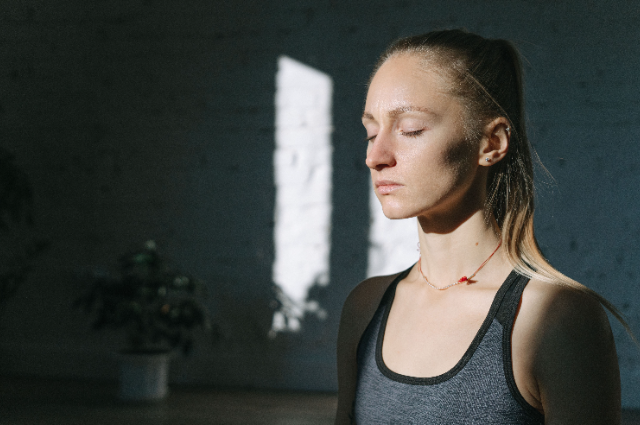
The morning the city forgot how to breathe did not arrive with alarms, sirens, or prophecies. It arrived quietly—like guilt.
At exactly 6:12 a.m., Meera stood on her balcony, as she had every morning for the past eleven years. She liked this hour, when the city had not yet decided who it wanted to be for the day. The sun was only a rumour on the horizon, and the sky still belonged to night.
She inhaled.
And stopped.
The breath entered her lungs—but it felt incomplete. Thin. As if the air had been skimmed, the way one skims cream off milk. Her chest tightened, not sharply like an asthma attack, but with a hollow pressure, the feeling you get when you realise you have forgotten something important and don’t yet know what it is.
Meera exhaled slowly. Tried again.
The same.
She leaned against the railing, fingers gripping cold metal, heart beating just a little faster than normal. She had lived with asthma since childhood. She knew breath the way musicians know silence. This was not panic. This was an absence.
Below her, the city moved as usual.
A bus coughed awake. A tea vendor rattled cups. Somewhere, a pressure cooker screamed. A dog barked at nothing in particular. Life was breathing—but not deeply.
She checked her pulse. Normal. Her inhaler lay untouched on the table behind her.
“This isn’t me,” she murmured. “This is the air.”
By 8:30 a.m., the city had begun to complain.
It started with small things. People felt tired for no reason. Students yawned through classes they normally enjoyed. Office workers stared at screens, unable to focus, their thoughts slipping away like soap in water.
Social media is filled with confusion. Anyone else feeling drained even after full sleep?
Is it the weather? The pollution? I feel like I’m breathing but not… living.
Doctors dismissed it at first. Stress. Burnout. Seasonal changes.
But by noon, hospital waiting rooms overflowed.
Not with people gasping for breath.
With people who felt like they were fading.
Meera volunteered at City General twice a week, helping with patient records. That afternoon, she arrived early, uneasy. The moment she stepped inside, she felt it again—the thinness. The collective weariness hangs in the corridors like fog.
A young man sat on the floor, head in his hands.
“I don’t know what’s wrong,” he said to no one. “It feels like something inside me is slowly turning off.”
A woman clutched her daughter close.
“She keeps saying she’s tired of breathing,” the mother whispered, terrified. “She’s only six.” Medical monitors beeped steadily. Oxygen saturation: normal. Heart rate: fine. Lungs: clear. Everything was perfect.
And yet, something essential was missing.
By evening, the phrase spread from patient to patient, whispered like a secret truth:
“It feels like my breath isn’t entirely mine.”
Meera went home with that sentence echoing in her head.
She skipped dinner. Sat by the window. Watched the city lights flicker on, one by one, like stars trying too hard.
That was when she remembered her grandmother.
Paati had raised her after her parents died in an accident—an accident Meera barely remembered except for the smell of petrol and the sound of glass breaking. Paati believed in science and stories equally. She said both held the world together.
When Meera was small and struggling for breath during an asthma attack, Paati would rub her back and say softly:
“Breathe slowly, Kanna. Breath is borrowed. It comes from the world and returns to it. Respect it.”
Once, when Meera asked what would happen if people stopped respecting breath, Paati’s eyes had darkened. “Then someone else will start owning it.”
At 11:47 p.m., the sky flickered.
It was subtle—so subtle that most people would later insist it never happened—just a brief shudder in the darkness, like the blink of an exhausted eye.
Meera felt it instantly.
A tug inside her chest.
Not pain. Not fear.
Collection.
She grabbed her shawl and stepped outside.
The streets were strangely quiet, as if the city itself were holding back. The pulling sensation guided her—not in a straight line, but like a current. She followed it past shuttered shops, stray dogs asleep on pavements, and security guards scrolling endlessly on phones.
Her feet stopped in front of a building she had passed a hundred times and never truly seen. The old government research complex.
Officially shut down ten years ago. Windows boarded. Gates rusted. Forgotten.
The pull intensified.
Meera slipped through a gap in the fence. The door was unlocked.
Inside, the air hummed.
Deep underground, past corridors layered in dust and silence, she found it.
The machine.
It was enormous—walls of glass and steel, breathing softly, rhythmically. Blue light pulsed through transparent chambers like veins. Tubes disappeared into the earth itself.
Above it hung a faded sign:
THE RESPIRATORY BALANCE INITIATIVE
Borrow a little breath today. Live longer tomorrow.
Meera’s hands trembled.
Memory flooded in—news articles she had skimmed years ago and forgotten. A global initiative launched after pandemics, wars, pollution crises. A plan to store microscopic amounts of oxygen from every human being, collected invisibly, harmlessly—or so they said.
Just nanoseconds of breath.
For emergencies.
For the dying.
For the future.
But no one had asked when it would stop.
The console lit up as she approached.
CURRENT STATUS:
Population contributing: 100%
Population aware: 0.02%
Storage capacity: EXCEEDED
A line blinked beneath:
EXTRACTION CONTINUES TO MAINTAIN SYSTEM STABILITY
Meera understood.
The world had agreed to sacrifice something too small to notice. And so it had grown used to losing it. A voice echoed behind her.
“You shouldn’t be here.”
She turned.
A man stood in the shadows, older, his posture tired. A former scientist, perhaps. Or a guard who had stayed too long.
“We built this to save lives,” he said quietly. “People wanted safety. Longevity. Insurance against disaster.” “And now?” Meera asked.
“Now,” he replied, “we’re surviving on less than we were meant to have.”
Her gaze returned to the console.
OPTION AVAILABLE:
FULL RELEASE
A warning flashed in red.
RELEASING STORED BREATH WILL REDUCE THE AVERAGE HUMAN LIFESPAN BY 4 YEARS. CONFIRM?
Four years.
Four years taken back from the future.
Four years have returned to the present.
Meera thought of the six-year-old girl in the hospital. Of students staring blankly at dreams they no longer had the energy to chase. Of a city breathing—but not living.
She thought of Paati.
“Some things,” Paati had said once, “are meant to be lived fully, not stretched thin.” Meera pressed CONFIRM.
The machine screamed.
Not with sound—but with vibration. The ground shook. The air thickened suddenly, violently. Outside, across the city, people staggered, collapsing not in pain but in relief.
A collective gasp rose—deep, full, human.
The sky steadied.
The machine’s lights dimmed, one by one.
By morning, hospitals were empty.
Children ran until they fell, laughing, breathless in the best way. Old men wept for reasons they couldn’t explain. Women stood on balconies, inhaling as if for the first time.
News channels struggled to explain it.
They never mentioned the building.
Three years later, Meera sat in a park.
Her hair had begun to grey at the temples. She tired more easily now. Doctors said it was nothing unusual—just the cost of living intensely.
A little girl ran past her, laughing, lungs burning with joy.
A doctor sat beside Meera on the bench. He studied her face.
“You look tired,” he said gently.
Meera smiled.
“I am.”
She closed her eyes.
Inhaled.
A real breath.
And when she exhaled, slowly and peacefully, she gave back the last of her borrowed breath—to the world that finally remembered how to breathe.