
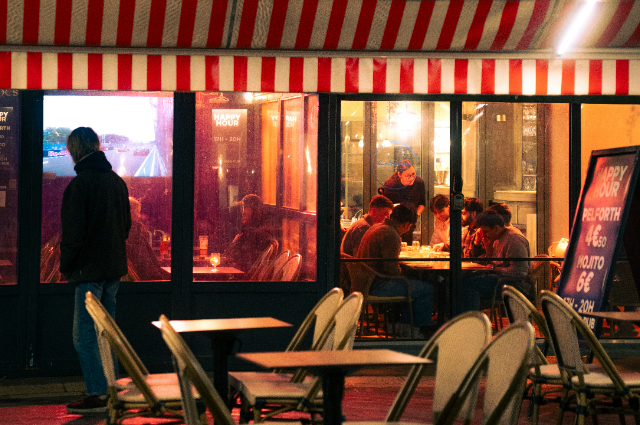
Hell Pizza, a Wellington-born chain launched in 1996, turned the pizza world on its head with a marketing approach built on provocation and dark humour. Instead of the polished, friendly image of typical fast-food chains, Hell Pizza leaned into a horror-themed anti-corporate persona, with skeleton imagery, spooky décor, and even a menu based on the Seven Deadly Sins. The founders deliberately sought to “shock people and make them talk about it”. By embracing outrageous stunts and irreverent ads, Hell Pizza didn’t just sell pizza – it sold stories, grabbing headlines and free publicity that traditional advertising could not match. As one marketer put it, Hell Pizza realized that “people don’t hate being offended; they hate being bored”, so they chose personality over politeness and controversy over conformity.
Outrageous Stunts That Made Headlines
Hell Pizza’s marketing playbook reads like a list of shock campaigns. Each wild stunt was designed to spark conversation and controversy and usually both. For example:
- Real Rabbit Skin Billboard (2014): To promote a limited-time Wild Rabbit Pizza, Hell Pizza covered an outdoor billboard in hundreds of real rabbit pelts, with the tagline “Made from real rabbit. Like this billboard.”. Animal lovers and parents were horrified to see dead rabbits on display, and social media erupted. Hell Pizza defended the stunt by noting rabbits are an invasive pest in New Zealand and the skins were sourced from tanneries as by-products. Regardless of outrage, the rabbit pizza “sold out quickly”, making it one of the chain’s biggest successes. (A later study confirmed that week was Hell Pizza’s best in 18 years.)
- Pizza Roulette Challenge: Hell Pizza turned a dinner order into a dare. Customers could request “Roulette” on their pizza, meaning one random slice would be laced with two drops of Blair’s 3 AM Reserve, a chilli extract as potent as police pepper spray. No one knew which slice was fiery until they took a bite, turning an ordinary meal into a high-stakes game of chance. Diners who braved it often laughed (or cursed) and immediately shared videos online. The result: free viral buzz and plenty of orders, as “pain became entertainment, and entertainment became marketing”.
- AfterLife Pay (2023): In a jab at modern debt culture, Hell Pizza launched a macabre “Buy Now, Pay Later” parody. Selected customers in New Zealand and Australia were allowed to eat immediately and only pay “after death.” They had to sign a legal amendment in their wills promising to settle the pizza bill post-mortem. Limited to 666 participants, the stunt satirised financial absurdity and grabbed headlines across the globe. Media outlets noted this was yet another provocation in Hell Pizza’s portfolio– it was smart marketing wrapped in a “little creepy” package.
- “Lust” Pizza Condom Mailing (2006): In its early shock phase, Hell Pizza mailed 170,000 free condoms to New Zealand homes to promote its Lust pizza, literally playing on the sin of lust. Mailboxes across the country received the unsolicited surprise. Many parents were outraged that condoms arrived without age checks, and the campaign drew over 600 official complaints. This remains one of New Zealand’s most complained-about ads. Still, Hell’s goal was simple: make everyone notice Hell Pizza. The stunt certainly did.
- Hitler Pizza Ads (2009): Hell’s irreverence extended to historical extremes. In 2009, a billboard showed Adolf Hitler doing a Nazi salute while holding a slice of pizza, with the quote “It is possible to make people believe that heaven is hell.” Predictably, Jewish communities and others were offended, and Hell quickly took down the ads after complaints. (The company later apologised, admitting “if people are not seeing it as lampooning… we will back down.”)
- Satanic Hot Cross Buns (2011): In a play on Easter traditions, Hell Pizza advertised hot cross buns featuring an inverted pentagram instead of the cross and the cheeky copy, “For a limited time. A bit like Jesus.” Anglican leaders condemned the campaign as “disrespectful” and blasphemous, but Hell’s boss Warren Powell shrugged that debate was the point: “It means our marketing budget works a little bit harder”. Only two complaints were lodged with the ad regulator, and none were upheld.
Each of these stunts embraced taboo or taboo-adjacent themes – religion, sexuality, violence – to ensure Hell Pizza dominated the news cycle. Even when critics called Hell tasteless, the company often turned it into a talking point that seemed to help sales. One marketing observer noted that Hell’s Easter bunny campaign sparked a “battle between religious fanatics” and defenders of the brand, but Hell Pizza “sat back and let the brand take the spotlight”, resulting in its biggest week ever.
Embracing the Macabre: A Cohesive Hellish Theme
Hell Pizza’s shock ads don’t stand alone; they fit a consistent horror-themed identity. From store decor to uniforms, Hell’s brand is unapologetically dark and irreverent. The walls might be painted with flames, menu items named after the Seven Deadly Sins (e.g. Lust, Greed, Gluttony pizzas), and staff (self-dubbed “minions of hell”) clad in T-shirts with skulls and slogans like “See you in Hell”. Packaging is pitch-black and sarcastic. All of this signals that “Hell Pizza is not like Domino’s or Pizza Hut” – it’s deliberately the opposite of wholesome. The consistent theme builds what one journalist called “brand trust” through honesty: Hell, never pretends to be genteel.
Even Hell Pizza’s delivery fleet reinforces the theater. The chain famously converted old funeral cars into pizza warmers: when drivers open the back (which looks like a coffin) steam billows out, as if the pizza “has come back to life.” Scooters wear devil horns and tails, and at one point, Hell even deployed a matte-black military truck, jokingly “going to war with other restaurants” over parking spots. These theatrical touches make every delivery an experience, extending the brand’s narrative to the customer’s doorstep.
Outrage vs. Ethics: Balancing Shock and Scrutiny
Hell Pizza’s flamboyant marketing repeatedly drew public ire, but regulators seldom forced the chain to back down. From 2005 to 2021, the New Zealand Advertising Standards Authority (ASA) considered dozens of Hell Pizza complaints but upheld only a few (mostly around profanity or violence). Even highly provocative ads like the Satanic hot-cross buns or the rabbit-skin billboard were judged “satirical play[s] on recognised religious imagery” and not disallowed. In fact, experts noted that Hell Pizza’s very identity – literally referencing Hell – meant audiences expected irreverence. The ASA observed that Hell’s established theme of darkness helped keep its ads within “acceptable humour and satire”.
Still, Hell Pizza did receive genuine backlash on occasion. The condom mailing in 2006 prompted hundreds of complaints over children’s exposure, and regulators later ruled it likely offended communities. The Hitler billboard was pulled after a community protest. And when Hell sold a “Burger Pizza” in 2019 using plant-based patties without telling customers (most assumed beef), the Ministry of Agriculture even stepped in on allergen grounds. In each case, Hell Pizza eventually apologized or withdrew the offending item.
Hell’s leadership seems to have learned from early missteps. After going private again in 2009, Hell Pizza refocused its shock tactics with clear purpose and a stronger ethical underpinning. The company even built goodwill through charity (“Satan’s Little Helper” community awards) and shifted to organic ingredients under the hood. This cushion of good deeds and transparent food quality gives Hell more leeway for its edgy marketing. As one commentator noted, when Hell Pizza launches a wild campaign and critics cry foul, Hell can point out its philanthropic side and say, “We’re actually pretty decent, and the pizza itself is solid.”
Why Shock Sells: Psychology and Economics
Hell Pizza’s controversial strategy taps into basic psychological triggers. Outrageous ads generate strong emotional reactions (either outrage or amusement) that make people remember the brand. Humans are wired to talk about what surprises or offends them, especially if it’s shareable. Hell Pizza essentially turned its ads into viral events. By making news rather than buying it, Hell cut through the clutter: the chain frequently earned international headlines (from Time to Washington Post) for free. Studies have shown that such earned media and online chatter dwarf the reach of a normal ad spend.
Economically, the strategy paid off. Hell Pizza’s own data revealed that each stunt (even controversial ones) produced sharp sales spikes – albeit diminishing over time without a bigger strategy. The Rabbit Pizza week was a record peak. By engineering stunts that people had to comment on, Hell encouraged social sharing and word-of-mouth at minimal cost. The key insight, as Hell Pizza executives learned, was that controversy itself can be a selling point: as long as the brand “stood for” the shock image, people felt in on a joke or a club. One New Zealand advertising professor observed that Hell’s provocations built a brand identity that “thrives on the backlash, using it to fuel further visibility and discussion.”
Lessons for Other Brands
Hell Pizza’s story offers both inspiration and caution for marketers. On one hand, it shows that a bold, distinct personality can differentiate a brand in a crowded market. Hell’s success suggests that edginess can pay when it aligns with the product and audience expectations. In culturally secular New Zealand, lampooning religion or taboos might offend fewer people than in other markets – and the ASA rulings indeed noted a shift toward tolerance as society became less homogeneously religious. Other companies have since toyed with naughtier or darker campaigns (for instance, some craft breweries and clothing brands), using Hell Pizza as proof that a deliberate counter-corporate voice can be effective.
But Hell Pizza is an exception, not a model for every brand. Its tactics only worked because controversy was built into Hell’s DNA. A family restaurant or global chain would likely face far more backlash for similar stunts. The chain’s leaders caution that any brand copying Hell’s moves must truly believe in the irreverent persona – otherwise the campaign feels inauthentic. Hell’s own revival story shows the danger of “shock without purpose”: after the 2006 Burger King sale, Hell’s owners realised that random edgy ads without strategy could actually alienate customers. Today, Hell emphasises that every stunt ties back to a deliberate point or insight (e.g. targeting debt culture or pests).
Finally, there’s a growing trend toward social responsibility in marketing. Hell Pizza partially softened its image by emphasising organic ingredients and community goodwill – without giving up its edge. Other brands considering controversy must weigh whether any publicity from a stunt will offset potential brand damage. As Hell Pizza’s leaders learned, there’s a balance: the public may talk about edgy ads, but they also expect the underlying business to be respectable. Hell’s move toward organic products and charity helped it keep “good bones” behind the gimmicks.
In summary, Hell Pizza made controversy its currency, selling shock like a hot pizza slice. That audacity built a memorable brand and loyal fanbase, but it came with scrutiny. Other companies can take from Hell Pizza the idea that a vivid personality and willingness to provoke can earn attention – but only if the stunts feel genuine and the company is prepared to handle the fallout. After all, as Hell Pizza proved, being unforgettable may be worth the risk of being unlikeable to some.
. . .
References:
- The Anti-Corporate Strategy: How Hell Pizza Fought the Giants- Hell Pizza: https://reflections.live
- The Art of Outrage: Selling Pizza With Sin - Hell Pizza: https://reflections.live
- NZ Pizza Chain Plasters Billboard with Real Rabbit Pelts | Eater: https://www.eater.com
- Tales from hell: how a strategy can keep the grim reaper from calling: https://pointb.co.nz
- 'Go to Hell': Hell Pizza's most offensive, controversial campaigns revealed - NZ Herald: https://www.nzherald.co.nz
- Anglicans cross about pizza firm's bun adverts: https://www.anglicannews.org
- Ads from Hell: How a pizza brand's marketing reveals NZ's shifting religious attitudes | RNZ News: https://www.rnz.co.nz